Subic is easy to like and oddly hard to explain. The name covers a bay, a town, a province-straddling economic zone and a former naval base, and a visitor meets all of them within an hour of arriving.
Each answer below stands on its own, so you can read only the question you came with. Where the research behind this site could not confirm something, the answer says so rather than guessing.
What is the Subic Bay Freeport Zone?
The Subic Bay Freeport Zone (SBFZ) is the Subic Special Economic and Freeport Zone, a government-run zone created on the site of the former US Naval Base Subic Bay. Republic Act 7227, the Bases Conversion and Development Act of 1992, passed on 13 March 1992 and converted the base into a freeport that offers tax and duty-free privileges to registered businesses.
Spain built a naval presence on the bay, and after the Spanish–American War it became a US Navy and Marine base. The Philippine Senate rejected a lease renewal in early 1991, Mount Pinatubo erupted that June, and the last US ship, the USS Belleau Wood, sailed out on 24 November 1992. The story of what happened in between has its own article, The eight thousand who kept Subic Bay.
Who runs Subic Bay?
The Subic Bay Metropolitan Authority (SBMA) runs the Freeport. It is the operating and implementing arm of the Government of the Philippines for the zone, was created by Section 13 of Republic Act 7227, and exercises authority over all economic activity inside it.
In practice SBMA behaves like a municipal government. It operates its own Law Enforcement Department, Fire Department, Public Health and Safety Department, Ecology Department and Tourism Department, as well as the seaport and the airport. SBMA news from March 2026 names Eduardo Jose L. Aliño as Chairman and Administrator; SBMA’s own history page has not been updated to say so.
Where is Subic, and how far is it from Manila and Clark?
The Subic Bay Freeport Zone is 110 km from Manila, in Central Luzon, and you reach it by road. By car from Manila the trip is generally given as two to three hours via the North Luzon Expressway (NLEX), the Subic–Clark–Tarlac Expressway (SCTEX) and the Subic–Tipo Expressway; SBMA itself calls it a two-hour drive.
Clark International Airport is roughly one to one and a half hours away by road, and one travel guide puts the drive at 45 to 60 minutes depending on traffic. By public transport from Manila’s airport, a July 2026 travel guide estimates three and a half to five hours door to door.
There is no commercial airport at Subic and no passenger ferry. Subic Bay International Airport, on the old Cubi Point air station, handles chartered flights and does not carry scheduled commercial passengers. Scheduled buses from Manila and Clark end at the Olongapo City Bus Terminal, which sits just outside the Freeport gate; from there you walk through the Main Gate, take a taxi or use a hotel shuttle.
Is Subic in Zambales or Bataan, and what is Olongapo?
Both. The Freeport straddles four local government units across two provinces: Olongapo City and the town of Subic in Zambales, and Hermosa and Morong in Bataan. The zone’s boundaries were delineated by Proclamation No. 532 of 1995.
Olongapo City is the ordinary Philippine city outside the gate, where the public bus terminal and the colour-coded jeepneys are. Subic is also a town in Zambales, and its portion of the Freeport is an exclave, physically separate from the main body. Practically, the Central Business District, the Waterfront, Binictican and Kalayaan are on the Zambales side, while Cubi, Triboa, the Ilanin forest and Redondo run into Bataan territory.
How do you get in, and is there a fee or ID check?
The fenced Freeport is entered through controlled gates, and vehicles pass through a customs booth. Arriving from Manila or Clark by car you reach the Tipo end of the zone off the Subic–Tipo Expressway; on foot, most visitors enter through the Main Gate, reached by a walkway from SM Olongapo.
A complete, current list of public vehicle gates and their hours has not been confirmed either. Rules that apply once you are through, including the intersection rule that catches most drivers, are covered in The rules the Freeport takes seriously.
What does “freeport” actually mean for a visitor?
A freeport is a separate customs territory, so goods can enter the secured area without payment of Philippine duties and taxes. Two things follow that a visitor feels: there is duty-free retail inside the fence, and there is a customs boundary at the gate.
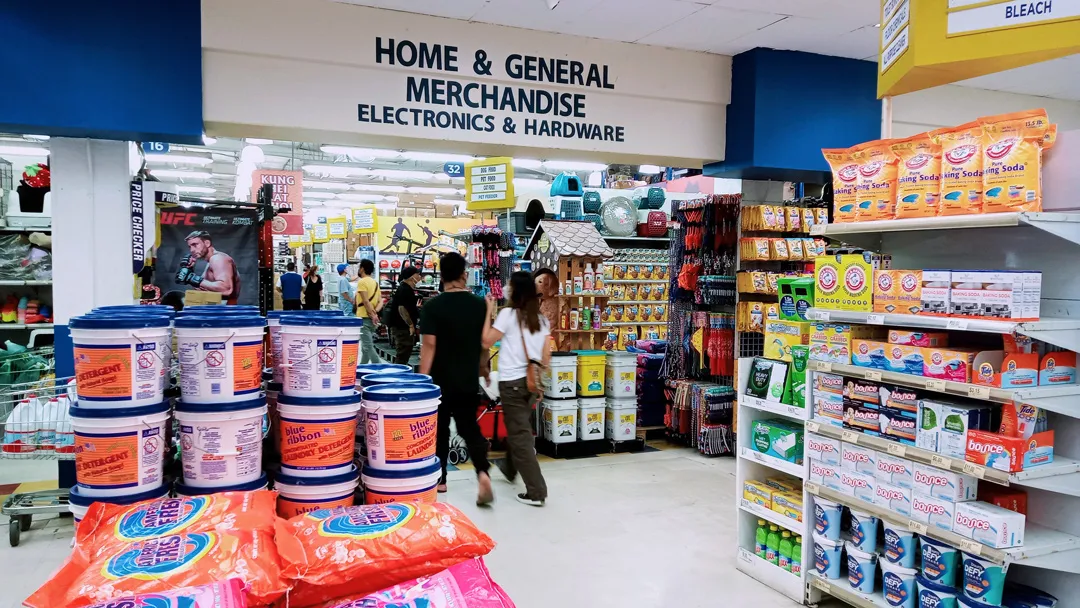
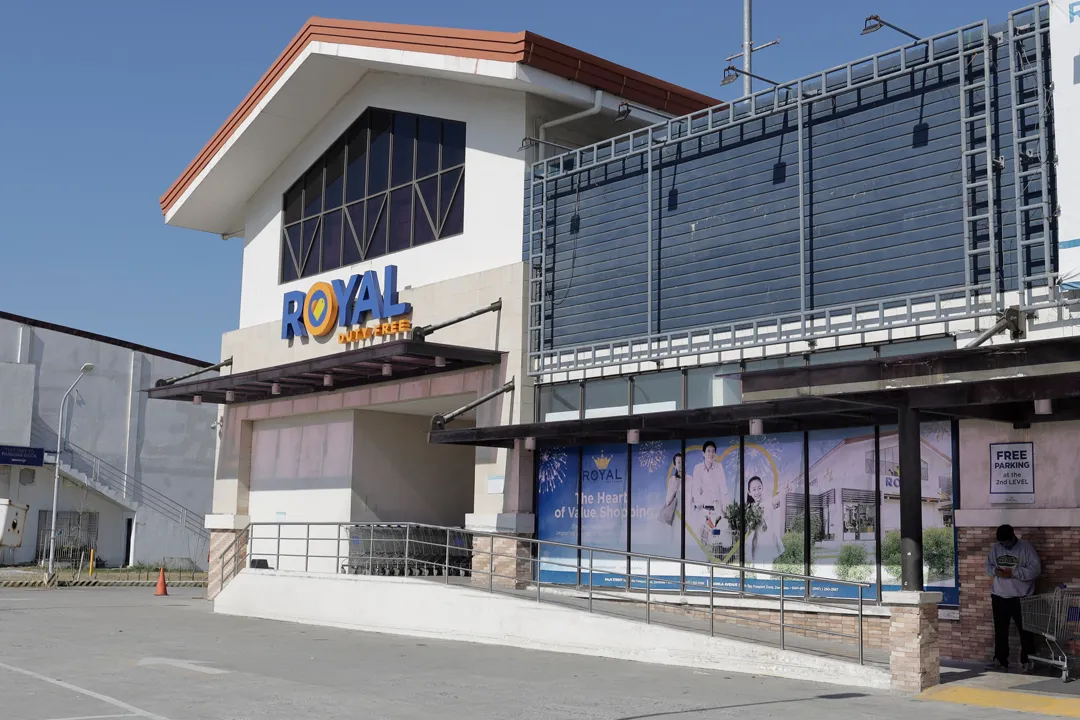
Sales of tax and duty-free consumer items in the secured area are restricted to authorised duty-free shops, which the Bureau of Customs and SBMA jointly regulate. Royal Duty Free is the main retailer inside the zone and has two stores. It says membership is not required, that shoppers do not need to be overseas workers, and that US dollar cash is accepted.
What you may take home is less clear. Legal texts refer to US$100 and US$200 entitlements, but which category of visitor gets which amount, and whether those amounts still apply in 2026, is unconfirmed. Check with the store, SBMA or the Bureau of Customs before you build a shopping plan around an allowance.
Is Subic Bay safe?
Subic Bay Freeport Zone has a strong reputation for safety, which rests on a visible security structure rather than on published crime statistics. No official crime figures for the zone were located, so this site describes the enforcement and does not assert a crime rate.
The structure is verifiable. SBMA’s Law Enforcement Department has an operations command center, a K-9 branch, a forest ranger branch, detachments in Binictican, Cubi and Kalayaan, and a port sentinel branch at the gates. SBMA also runs five fire stations and its own public health and safety department. Relocation and expat publications repeat the reputation, but they are marketing, not statistics.
How do you get around once you are inside?
Jeepneys and tricycles do not operate inside the Freeport. Olongapo’s colour-coded jeepneys run up to the Main Gate but not through it, so inside the fence you rely on SBMA’s buses from the Main Gate terminal, coasters and mini-buses, taxis, hotel shuttles, your own car or a bike.
Sources conflict on whether Freeport taxis are metered, so agree the fare before you set off. Whether Grab works reliably inside the zone in 2026 is unconfirmed; the sources that confirm it date from 2018 and 2019. SBMA began trialling electric buses on the Central Business District route in November 2025, but the current fare and whether the service is in full operation have not been confirmed. The Central Business District is compact and walkable, while the residential heights and forest districts are separated from it by hills and distance.
When is the best time to visit Subic Bay?
December to April is the best window for dry weather: PAGASA’s Cubi Point station, inside the Freeport, records only 4.5 to 18.2 mm of rain a month from January to April. Subic sits in a PAGASA Type I climate zone, so the year splits into a dry season from November to April and a wet season from May to October.
August is the wettest month, averaging 864 mm over 23 rainy days. Mean monthly temperature barely moves, from 26.9 °C in January to 29.8 °C in April. The bay is naturally sheltered from typhoons by the Zambales mountains, but heavy rain, landslides on the forest slopes and travel disruption still happen in the wet season. Holy Week is the busiest period: the zone recorded 408,800 arrivals in Holy Week 2025, with hotel occupancy at 99%. Month-by-month figures are in The best time to visit Subic Bay.
Where should you stay?
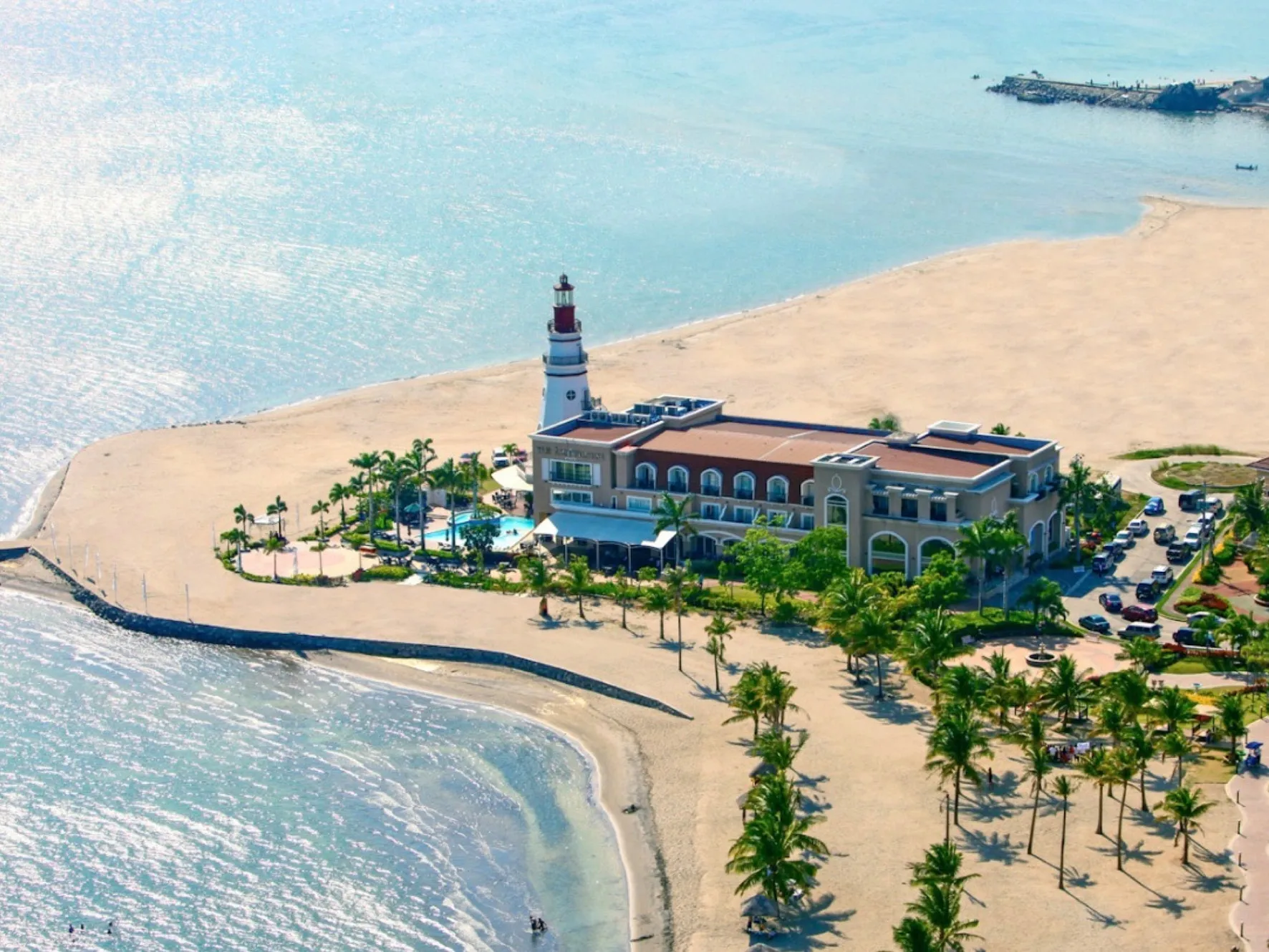
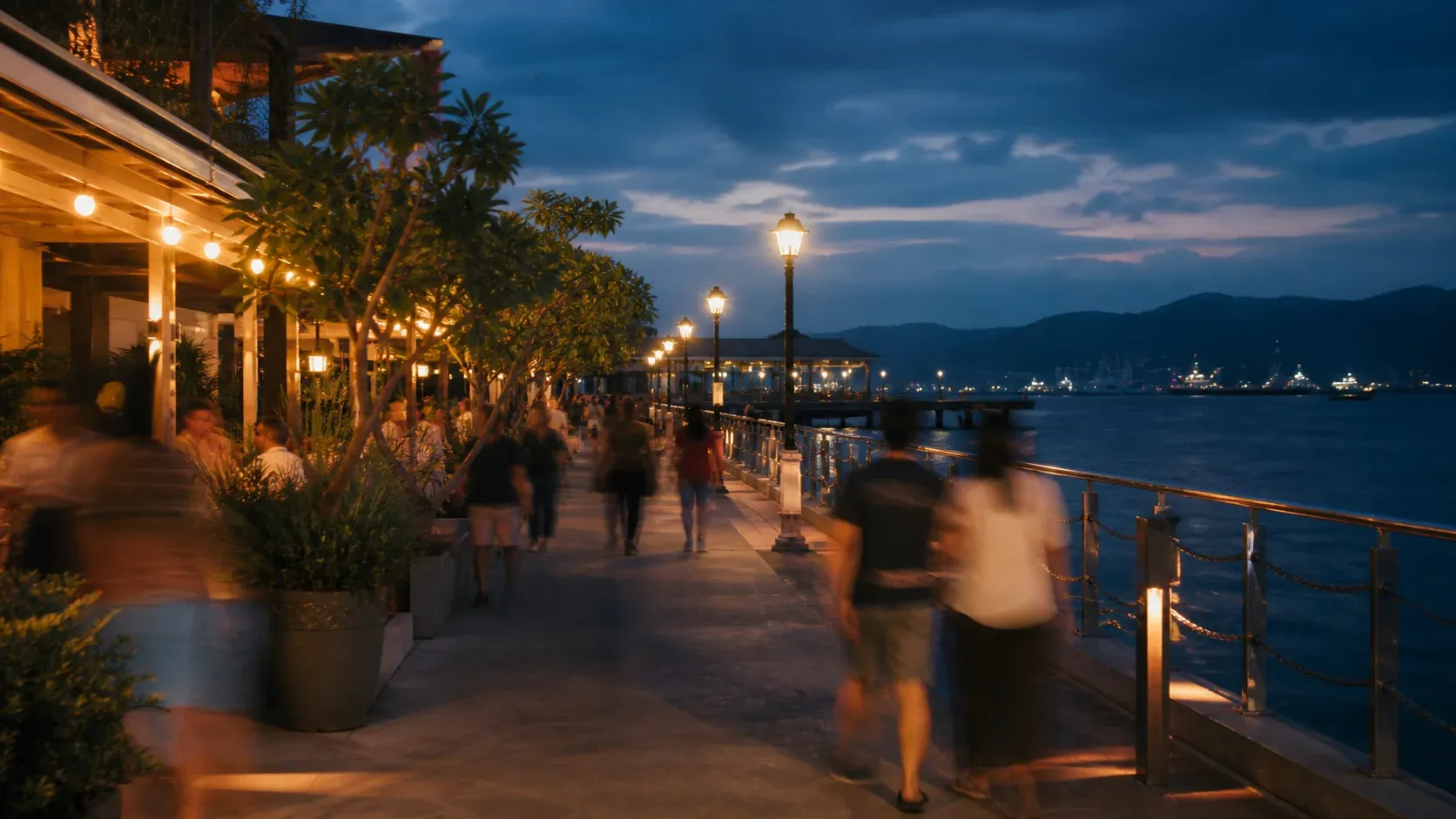
Most visitors should stay in the Central Business District (CBD), a 182-hectare district that holds the hotels, restaurants, cafés, duty-free shops and the waterfront promenade, most of it walkable. Waterfront Road is its bayside strip, and the ferry to Grande Island picks up from the wharf there.
- Binictican Heights, 642.55 ha, is former US officers’ housing with a golf course, a retirement village and an international school. It suits long stays.
- Kalayaan Heights, 452.66 ha, is lower-density residential with little visitor infrastructure.
- Ilanin Forest West, 1,223.57 ha, is a conservation zone with nature parks, forest trails and beach resorts on the forest side of the bay.
- Cubi–Triboa, 720.50 ha, holds the theme-park and marine-attraction cluster and the mangroves at Triboa Bay.
The full district-by-district breakdown is in The Freeport’s districts, explained.
Common questions
What is Subic Bay Freeport Zone?
The Subic Bay Freeport Zone is the Subic Special Economic and Freeport Zone, created by Republic Act 7227 in 1992 on the site of the former US Naval Base Subic Bay. It is managed by the Subic Bay Metropolitan Authority (SBMA) and offers tax and duty-free privileges to registered businesses.
Is Subic Bay in Zambales or Bataan?
Both. The Subic Bay Freeport Zone covers four local government units across two provinces: Olongapo City and the town of Subic in Zambales, and Hermosa and Morong in Bataan. The Central Business District and the Waterfront are on the Zambales side.
How far is Subic Bay from Manila?
The Subic Bay Freeport Zone is 110 km from Manila. By road the trip is generally given as two to three hours via the NLEX, SCTEX and Subic–Tipo Expressway, and public transport from Manila’s airport can take three and a half to five hours door to door.
Is there an airport or ferry to Subic Bay?
There is no scheduled commercial air or passenger ferry service to Subic Bay. Subic Bay International Airport handles chartered flights only, so most visitors arrive by road from Manila or from Clark International Airport, roughly 1 to 1.5 hours away.
Do you need a passport or ID to enter the Subic Bay Freeport?
Entry requirements are not confirmed by SBMA, and sources disagree. Carry a government-issued photo ID and, as a foreign visitor, your passport, and expect a customs booth if you are driving. A small gate fee is reported for foreign nationals but has not been verified.
Is Subic Bay duty-free?
The Subic Bay Freeport Zone is a separate customs territory, and tax and duty-free consumer items there can be sold only by authorised duty-free shops. Royal Duty Free is the main retailer inside the zone. The amount you may take home is unconfirmed, so check with SBMA or the Bureau of Customs.
Is Subic Bay safe for tourists?
Subic Bay Freeport Zone has a strong reputation for safety, backed by SBMA’s own law enforcement, fire and health departments. No official crime statistics for the zone were found, so the reputation is described here rather than measured.
What is the best time to visit Subic Bay?
December to April, when PAGASA’s Cubi Point station records almost no rain. The wet season runs from May to October, with August the wettest month at an average of 864 mm. Holy Week is the busiest period, so book far ahead or avoid it.
Sources
Every factual claim above traces to one of these. Where sources disagree — or where we could not confirm something — the piece says so rather than choosing the tidier version.
- SBMA — Brief History (Republic Act 7227, SBMA, the 1992 handover)
- SBMA Invest — Major Districts (distance from Manila, districts, typhoon shelter)
- SBMA news, 4 March 2026 — Subic 2025 workforce (current SBMA leadership)
- SBMA news, 29 April 2025 — Holy Week arrivals exceed 400,000
- SBMA Visit — Getting There (airport, ferry, main gate bus terminal; page is partly stale)
- SBMA Telephone Directory, 18 July 2023 (PDF) — departments and gate facilities
- PAGASA — Climatological Normals 1991–2020, Cubi Point station (PDF)
- Wikipedia — Subic Bay Freeport Zone (jurisdictions, exclave, Bataan access)
- Proclamation No. 532, s. 1995 — Official Gazette (zone boundaries)
- Philippine Beach Guide — How to get to Subic from Manila, Clark and Baguio (travel blog, updated 22 Aug 2024)
- PhilippineDives — How to get to Subic Bay (commercial dive directory, reviewed July 2026)
- Philippine Beach Guide — Manila to Subic bus schedules and fares (travel blog, updated 17 Jan 2025)
- Philippine Information Agency, 7 Nov 2025 — SBMA pilots e-buses in Subic Freeport
- Royal Duty Free — FAQs (official retailer site)
- jur.ph — summary of EO 97-A and related issuances on duty-free privileges in the Subic zone
- Expatra — Living in Subic Bay (relocation publication, safety reputation)