Most lists of things to do in Subic run as a ranking. This one is grouped by kind instead, because the useful question is rarely “what is number one” and usually “what do we do with a morning on the water, or a wet afternoon with children”.
The Subic Bay Freeport Zone (SBFZ), which most people call SBMA after the Subic Bay Metropolitan Authority that runs it, is large and spread out. Places below are named by district so you can group them into a day without crossing the Freeport twice. Prices, hours and booking rules change, so we leave them to each place’s page and say where something needs checking.
What is there to do in Subic Bay?
Subic Bay offers water activities, forest and mangrove walks, two large animal parks, heritage sites from the Spanish and American naval eras, and a food and shopping district around the Central Business District. It is a former US Navy base, so the attractions are spread across districts rather than gathered in one town centre.
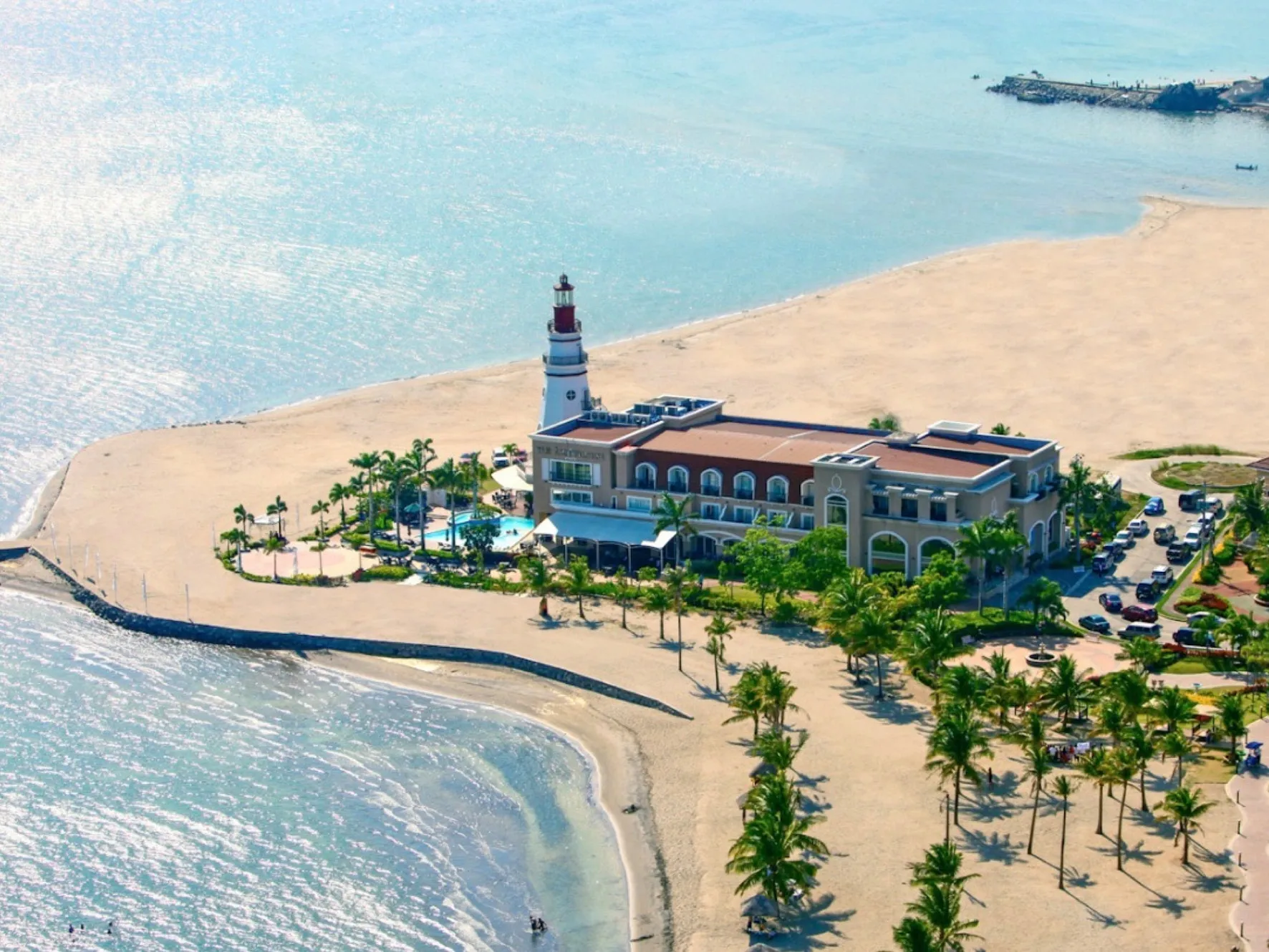
The Central Business District (CBD) and the Waterfront are the visitor hub, with restaurants, duty-free shops, hotels and the promenade. The animal parks and beach resort cluster sits in the Ilanin Forest West district on the bay’s western shore. The old air station is at Cubi, and the golf course and Aeta trails are in Binictican; the districts explained covers each one. SBMA’s district schedule describes Ilanin Forest West as a conservation zone that allows recreation only at developed nodes, which is why those attractions sit together.
What are the water activities in Subic Bay?
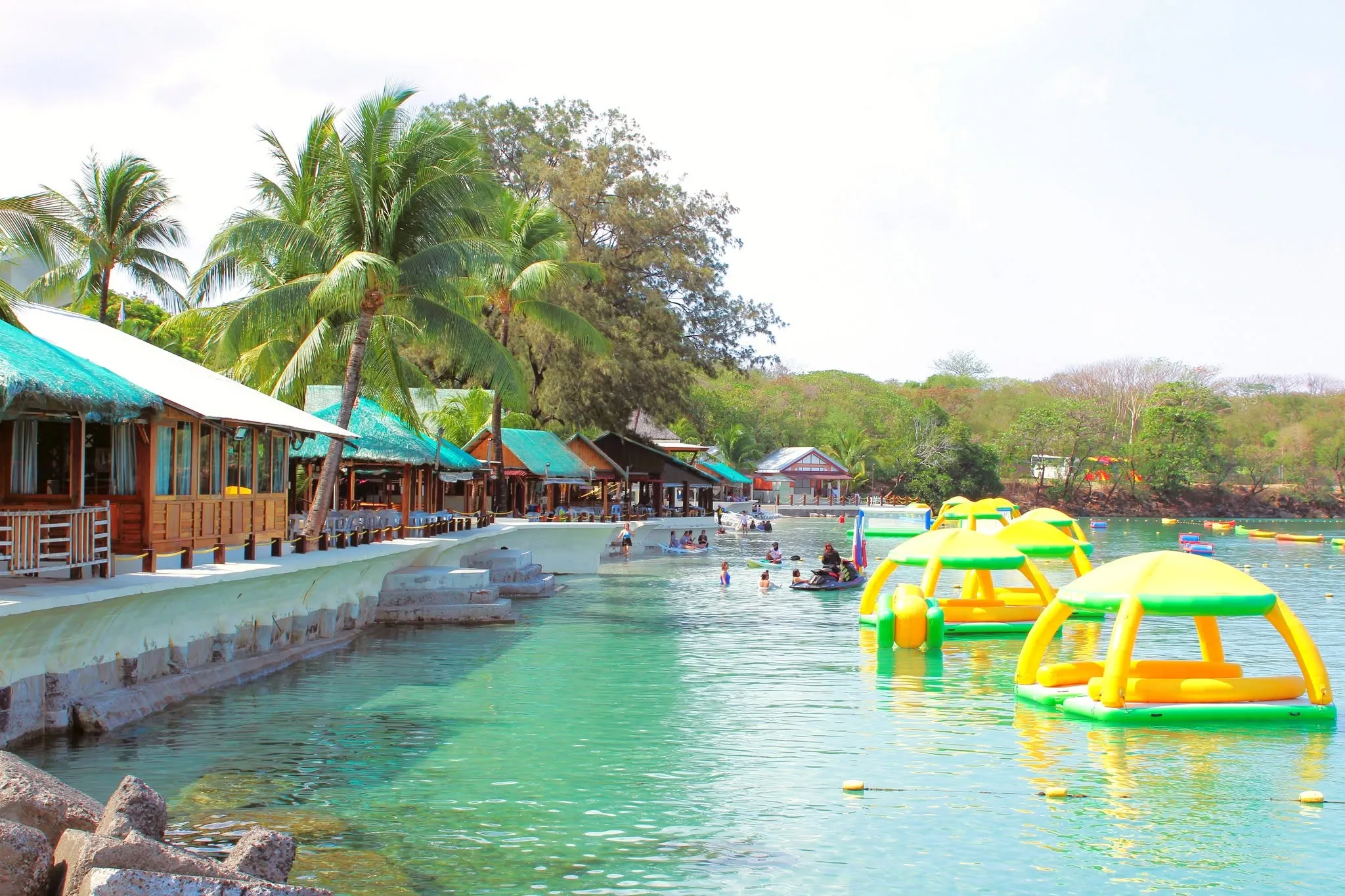
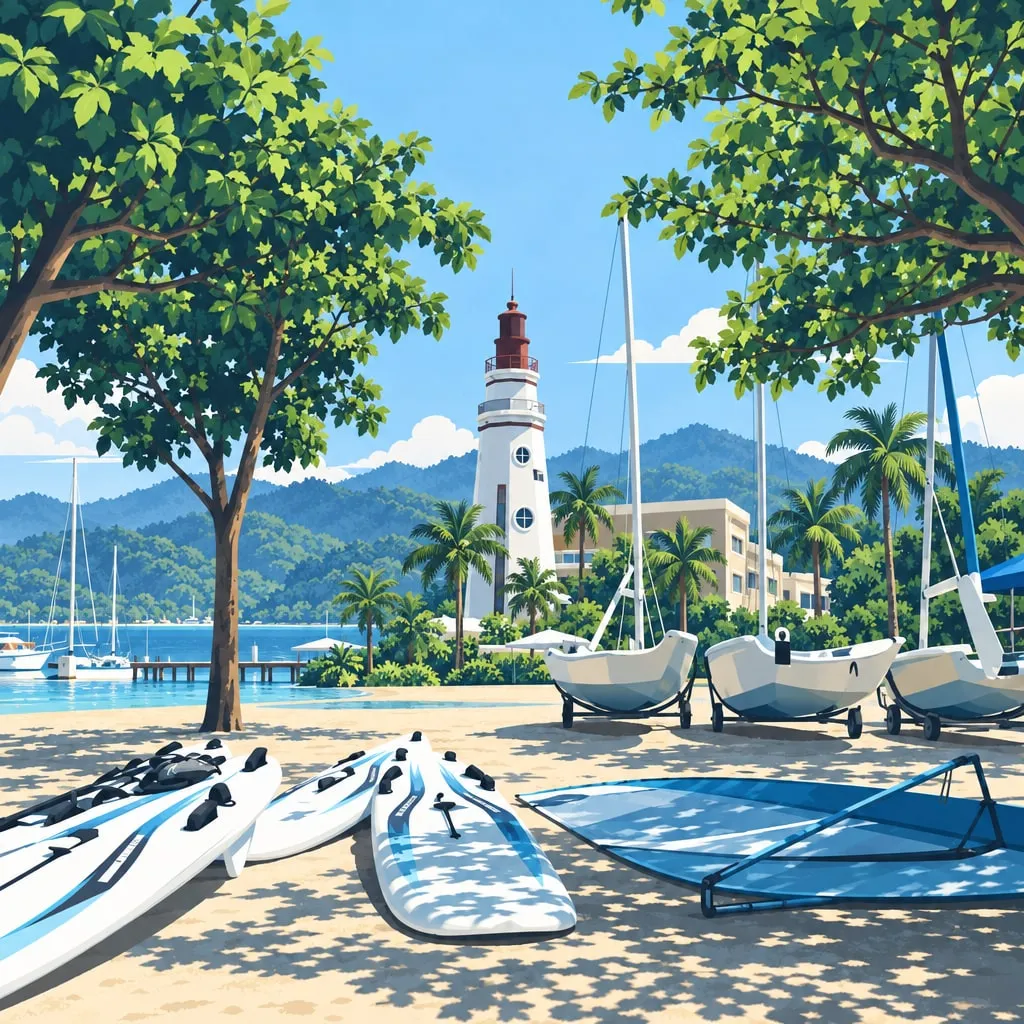
The bay is a sheltered natural harbour, and the water side of Subic covers diving on wartime wrecks, sailing and yacht charters, beach clubs and a wave-pool water park. SBMA’s investment portal says the Zambales mountains on the western side shelter the harbour from typhoons.
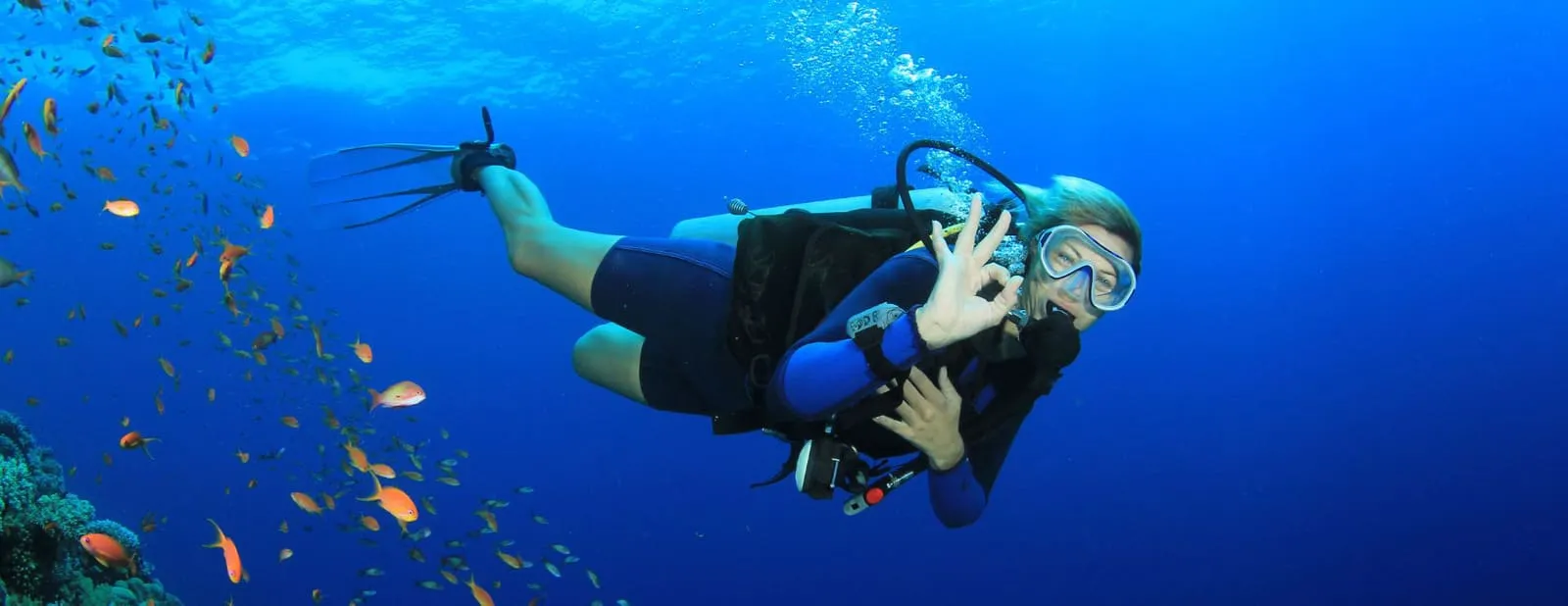
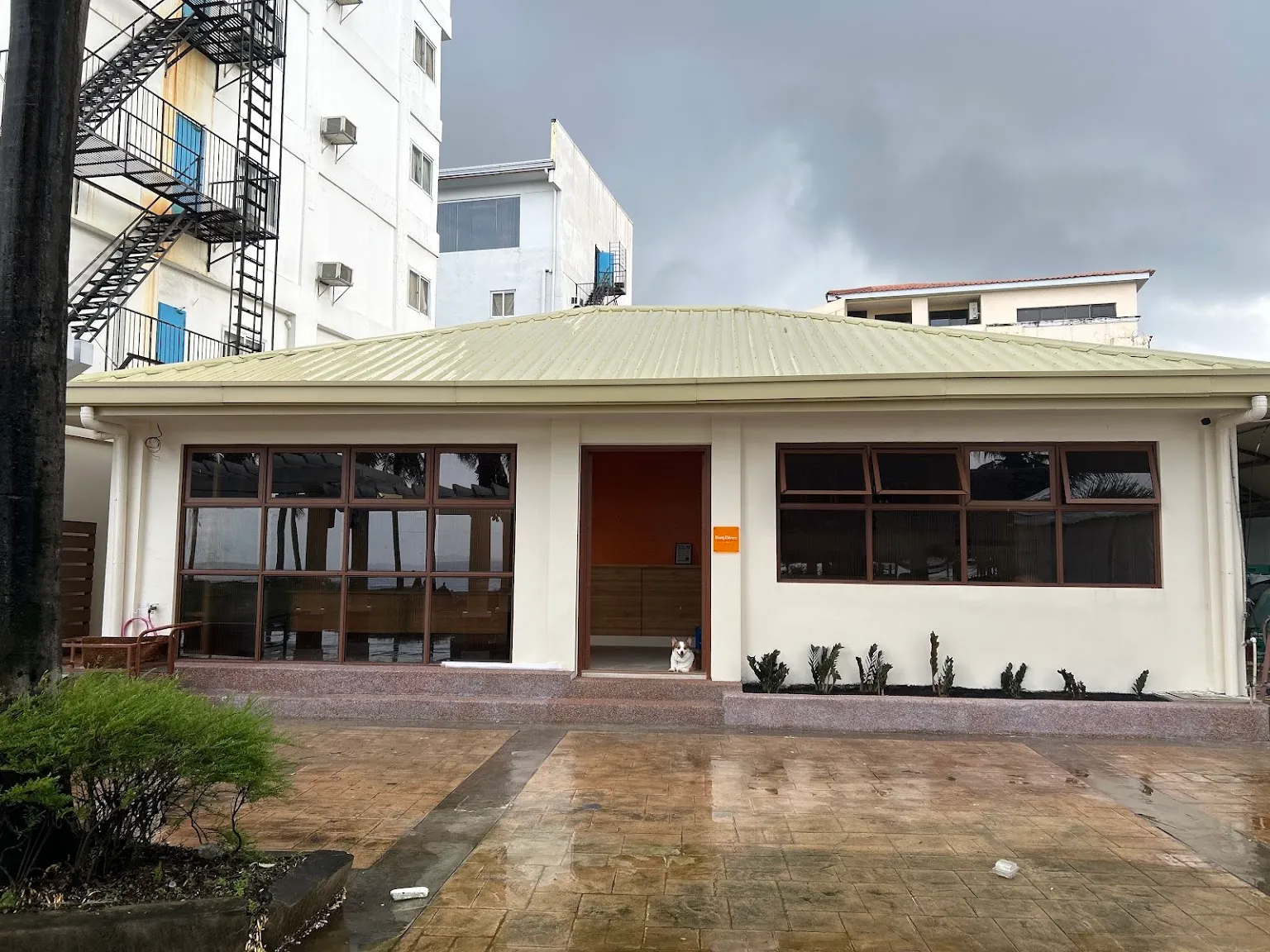
- Diving. Camayan Divers works from Camayan Beach and runs certification courses and fun dives on the wrecks. Rusty Divers and Boardwalk Dive Center are on the Waterfront. Divers book through licensed operators rather than diving independently.
- Wrecks. El Capitan lies on her port side in 4 to 22 metres of water, and local dive shops rate it the most approachable of the major wrecks. A bay full of wrecks tells their stories. USS New York is deeper, between roughly 16 and 32 metres, and suits advanced divers. Some sites sit near shipping lanes and need harbour clearance, which your operator handles.
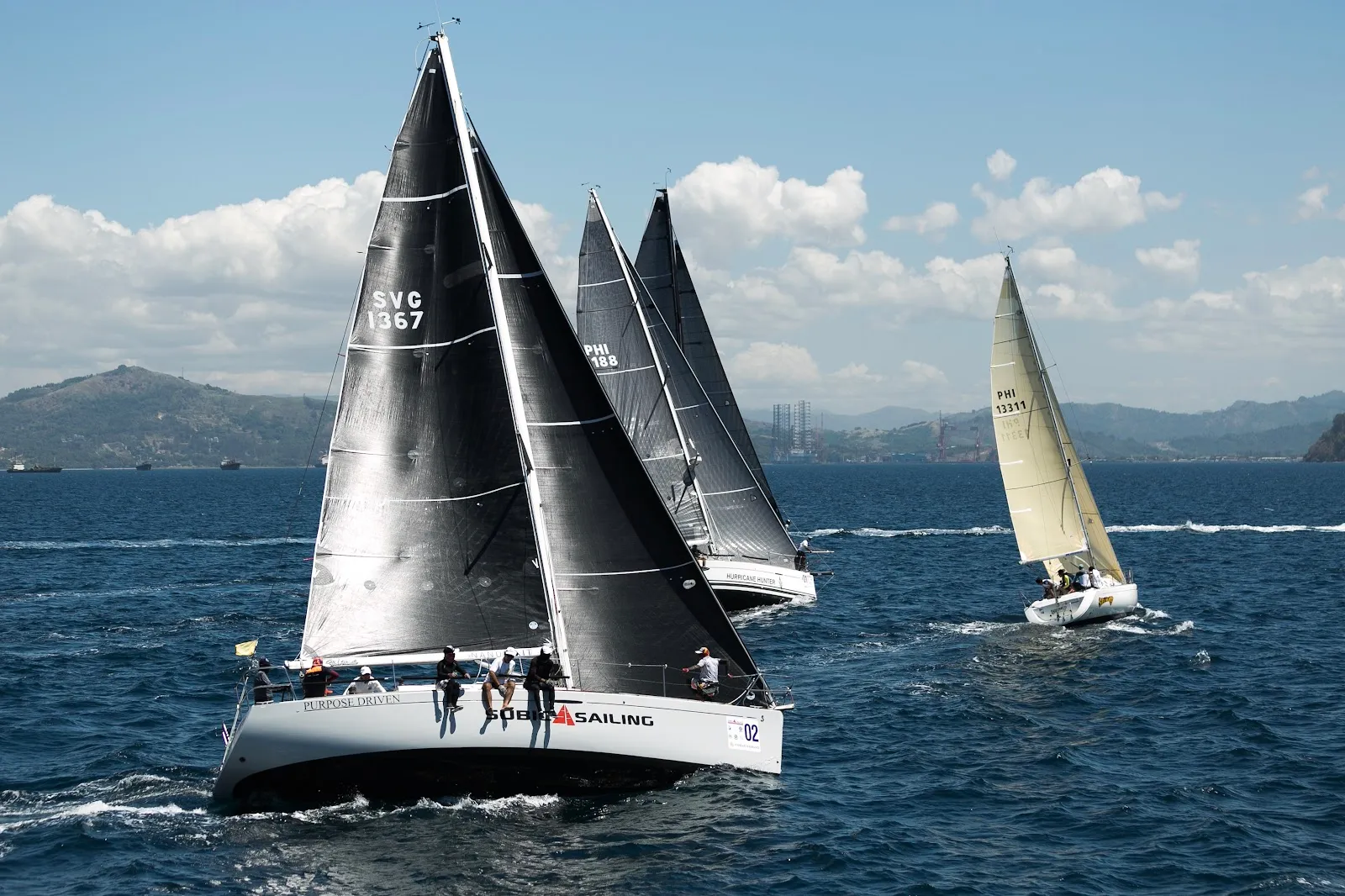
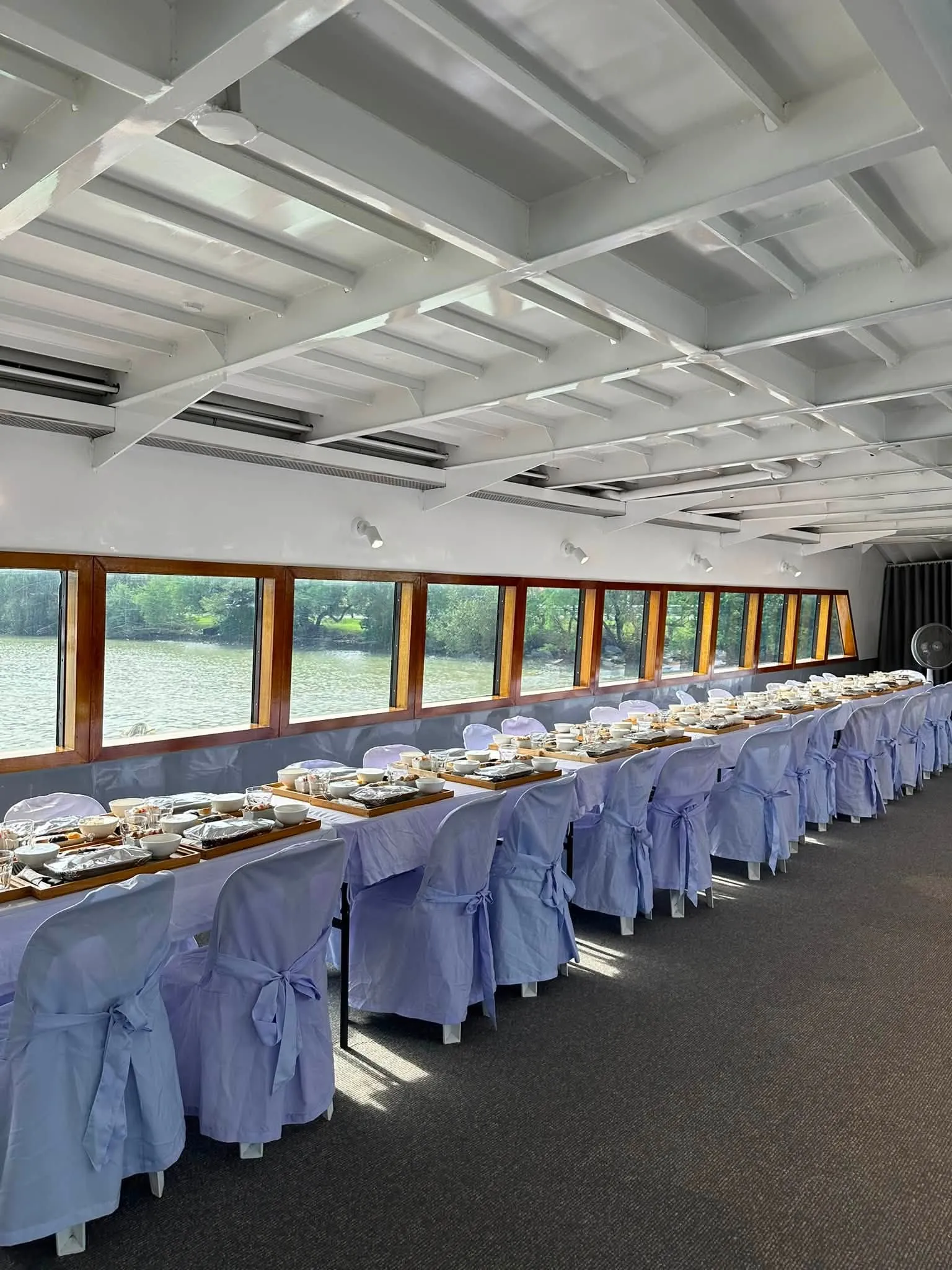
- Sailing and charters. Subic Sailing Club, La Banca Cruises and the Sunset Cruise Yacht are among the operators on the water, from sailing lessons to a sunset dinner cruise. Check the operator for current schedules.
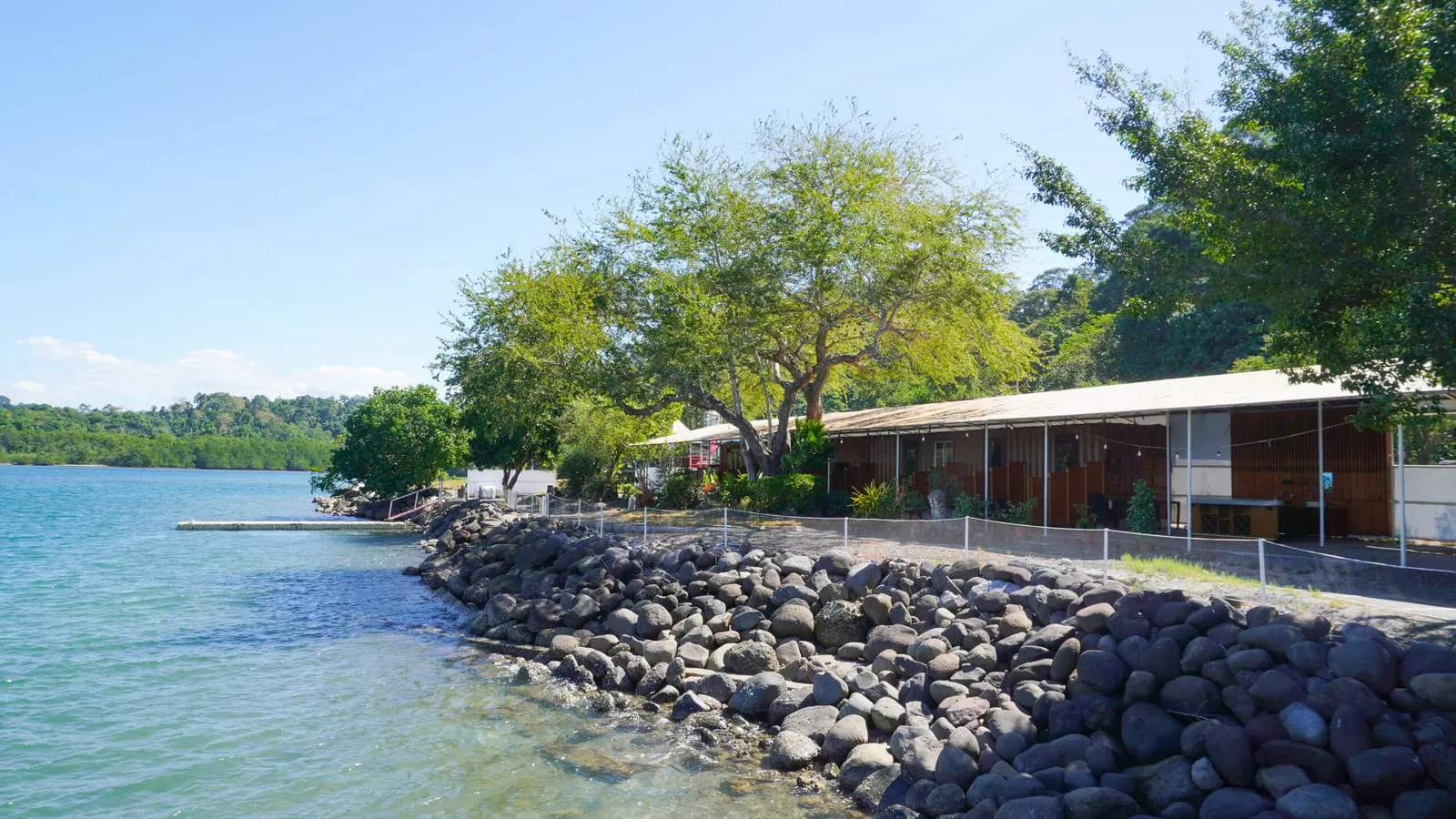
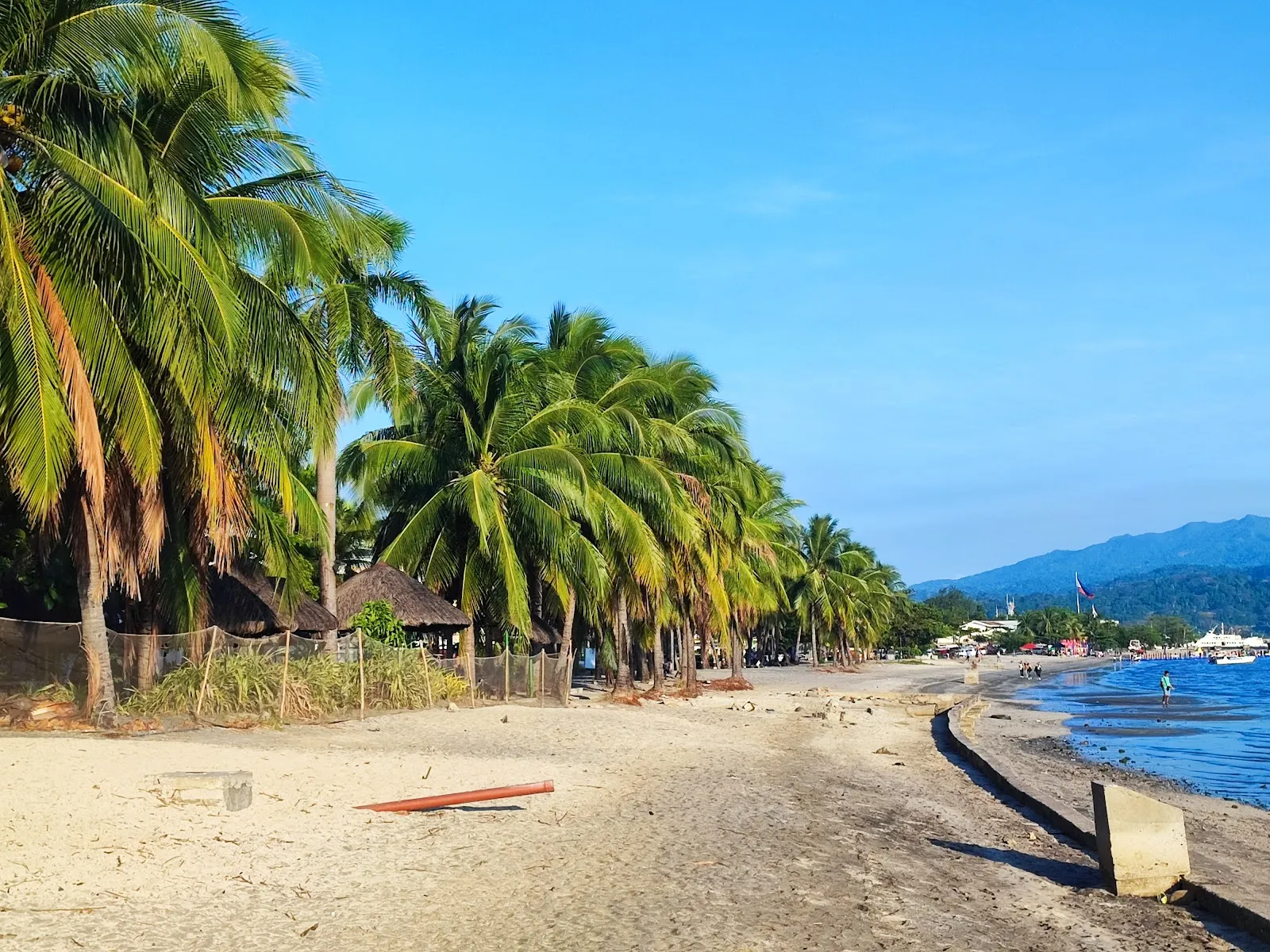
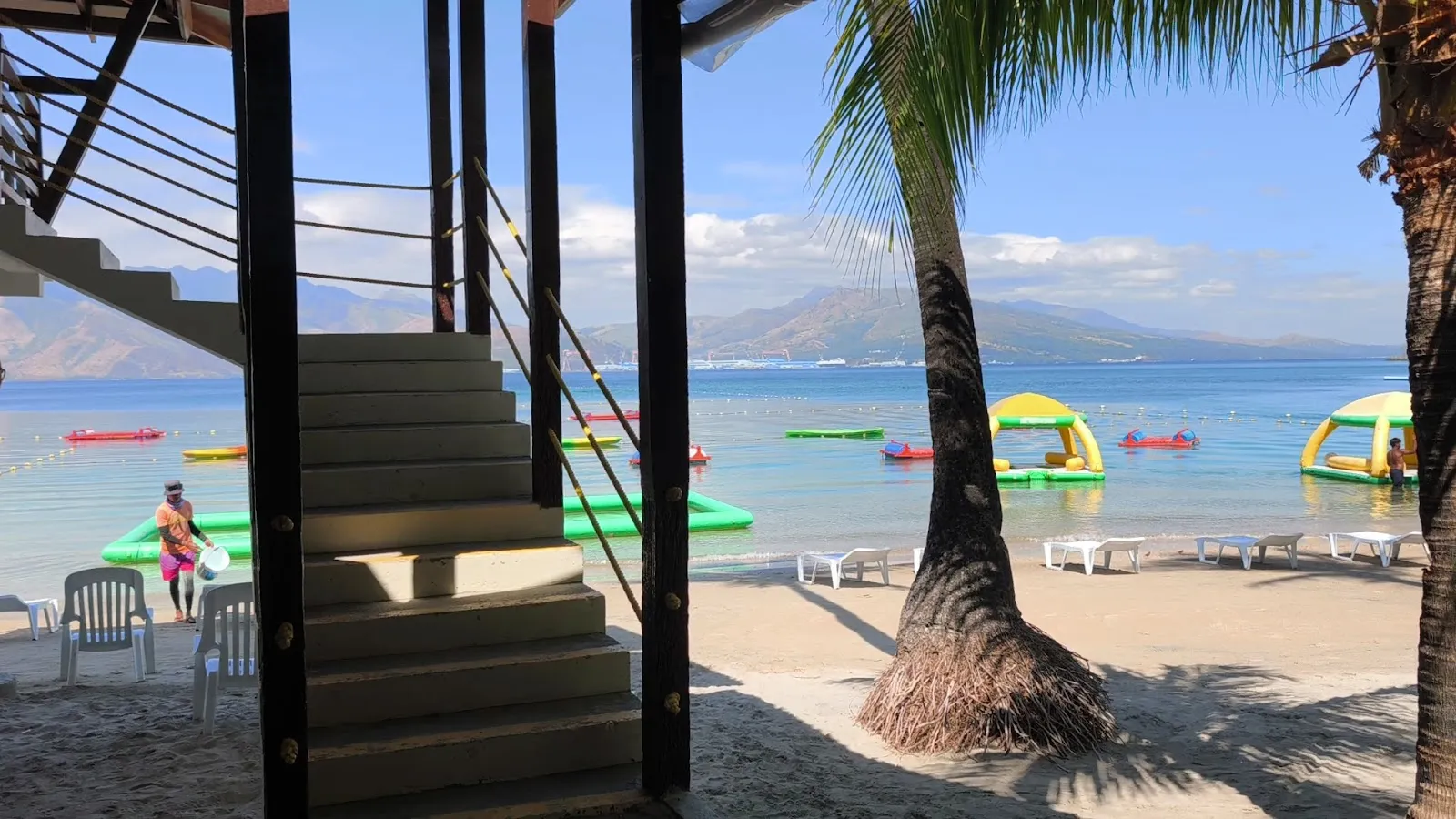
- Beach clubs. All Hands Beach sits on the former Cubi Point naval station and rents out water-sports gear. Camayan Beach is a paid, resort-run beach on the western shoreline. Subic’s beaches sorts the rest by how you get onto the sand.
- Water park. Moonbay Marina Waterpark is built around a wave pool on the Waterfront. Adventure Beach Waterpark is the family option at Camayan Wharf; our listing shows it opening Friday to Sunday only as of August 2026, so confirm days before you go.
Dry-season months suit the water best. Dive sources describe November to May as the main dive season, and wet-season months can mean rougher conditions and reduced visibility.
Where can you walk in the forest and mangroves?
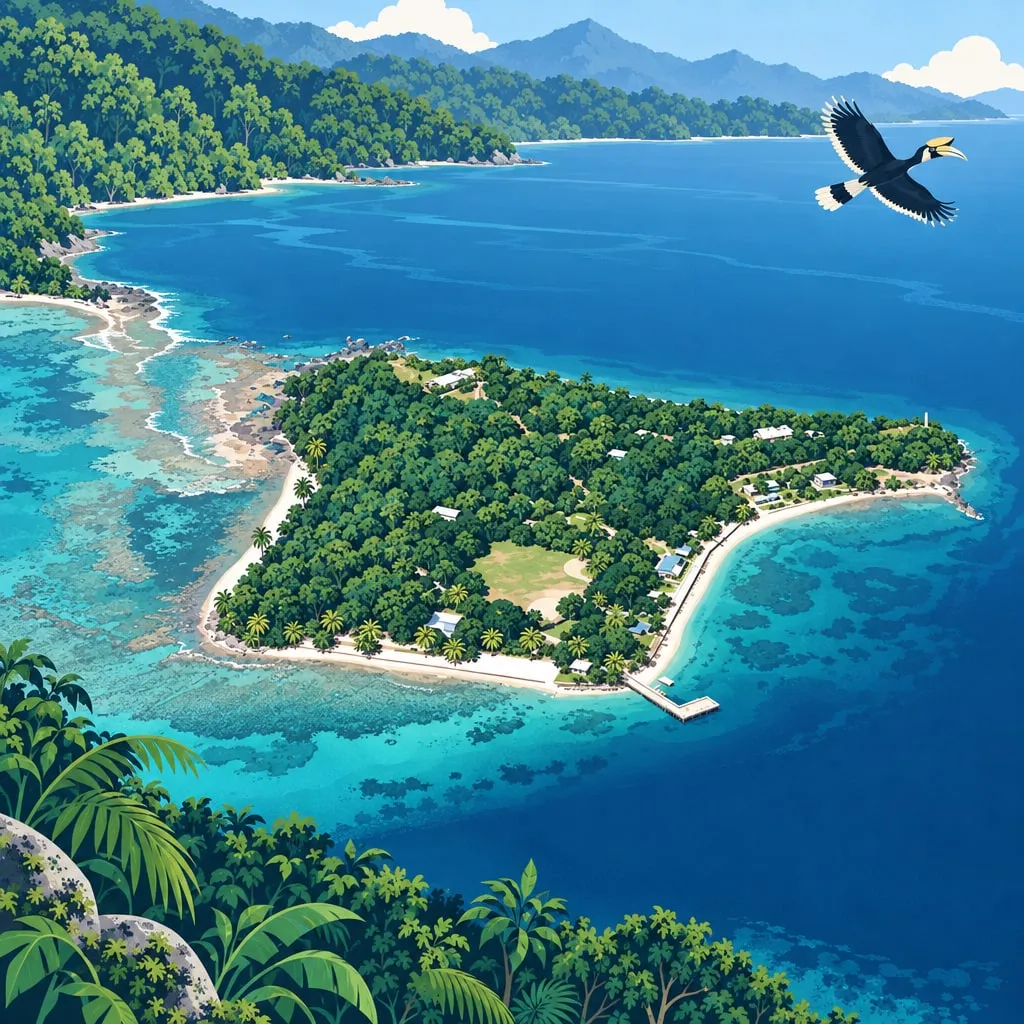
The Freeport holds a large block of surviving lowland rainforest, and the visitor-friendly ways in are Aeta-guided trails, a mangrove boardwalk, a jungle-survival camp and a horse-riding stable. Research sources put the wider Subic forest at roughly 10,000 hectares, set inside the fenced zone.
- Pamulaklakin Forest Trail in Binictican is guided by members of the Aeta community, who lived here before the naval base and once taught American servicemen jungle survival. A second operation, the Pamulaklakin Aeta Nature Trail, offers sightseeing walks and longer treks guided by Pastolan community members.
- JEST Camp at Upper Mau in Cubi-Triboa began in the 1960s as the US military’s jungle-survival school. Aeta instructors taught it, and the camp now runs day demonstrations and an obstacle course.
- Triboa Bay Mangroves is a boardwalk through a stretch of about two hectares of mangroves, part of an SBMA reforestation programme.
- El Kabayo Stables offers horseback rides from short loops to a guided ride to El Kabayo Waterfalls. Its proceeds support the horse-welfare group Wildlife In Need.
- Ilanin Forest is the western forest itself. The east side is strict conservation, and recreation concentrates at developed nodes on the west side.
What are the animal parks and family attractions?
Subic has two large animal parks, Ocean Adventure and Zoobic Safari, plus a water park, an indoor playground and a wildlife rescue centre that takes visitors by appointment. This is the answer to “things to do in Subic with kids” for most families, and the family weekend guide strings them into two days.
- Ocean Adventure at Camayan Wharf keeps its dolphins and sea lions in open lagoons rather than tanks, and bills itself as Asia’s first open-ocean marine park.
- Zoobic Safari in Ilanin Forest is a 25-hectare wildlife park with a drive-through tiger enclosure, which the park says is the only one in the Philippines, plus a crocodile farm and a petting zoo.
- Adventure Beach Waterpark is a short walk from Ocean Adventure, so the two pair easily into one day at Camayan Wharf.
- Kidzoona on the second floor of Ayala Malls Harbor Point is an indoor playground for small children, charged by the hour. It suits a wet afternoon.
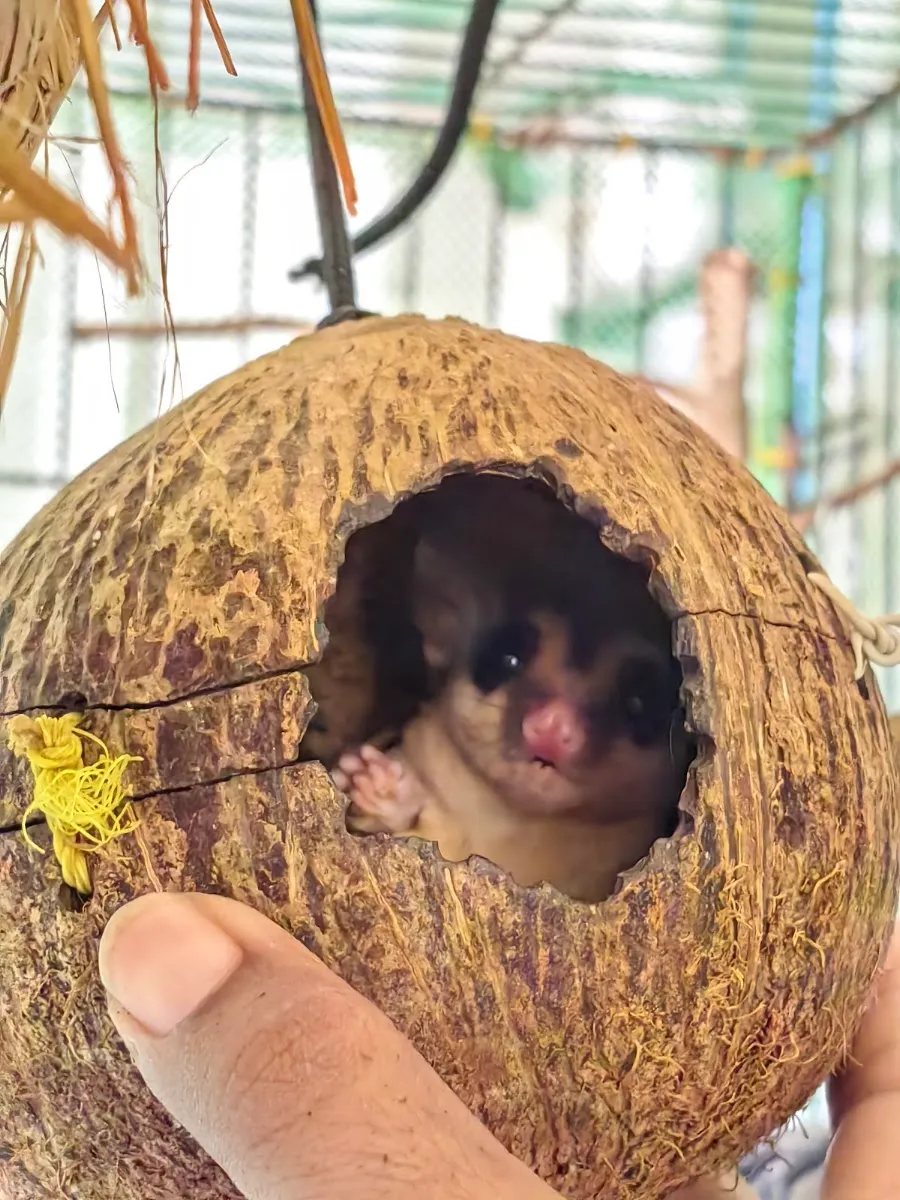
- Wildlife in Need Rescue Center cares for rescued and confiscated animals and runs educational tours by appointment, so contact them first.
Beyond the paid attractions, the free parks are worth a stop with a picnic. Malawaan Picnic Park on Argonaut Highway has cottages and picnic areas and no entrance fee, according to our listing.
What heritage can you see in Subic Bay?
The Freeport is a former Spanish and American naval base, and its heritage sites are free-standing landmarks and memorials rather than a single museum. Most sit along Waterfront Road in the CBD.
- Subic Spanish Gate is the stone entrance to the Arsenal de Olongapo, which the Spanish Navy was authorised to build in 1885. It once had gunports and served as a jail.
- Alava Pier was used by the Spanish Navy from the 1880s and extended by the US Navy in 1967. It is now Subic’s passenger terminal.
- Hell Ship Memorial remembers the Oryoku Maru, a Japanese transport carrying Allied prisoners of war that sank off Olongapo in December 1944. It is free and open at all hours.
- “The Hands that Freed the Nation” monument honours the 12 senators whose 1991 vote against renewing the US bases treaty led to the 1992 handover that created the Freeport.
- Naval Air Station Cubi Point was built between 1951 and 1956 and is now Subic Bay International Airport.
- Fort Wint on Grande Island was one of four American harbour-defence forts at the entrances to Manila and Subic bays. It needs a short boat ride. SBMA’s Getting There page mentions ferries from Waterfront Road, but the current operator, schedule and fare are unconfirmed, so ask before you plan around it.
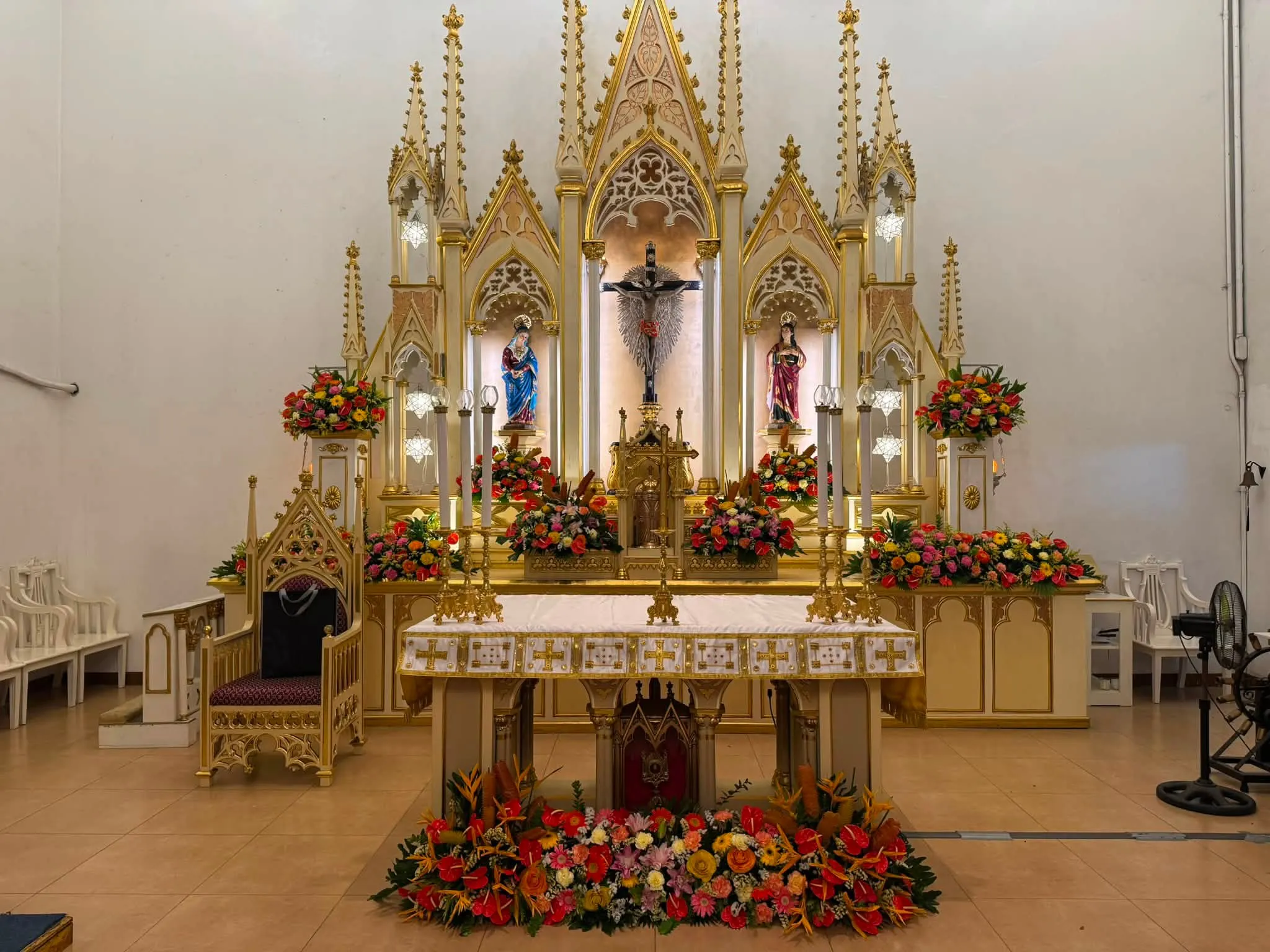
San Roque Chapel on Dewey Avenue drew about 10,350 visitors during Holy Week 2025, according to SBMA. Holy Week is the Freeport’s peak, with 408,800 arrivals recorded that year, so expect crowds and book ahead.
Where can you walk and take in the view?
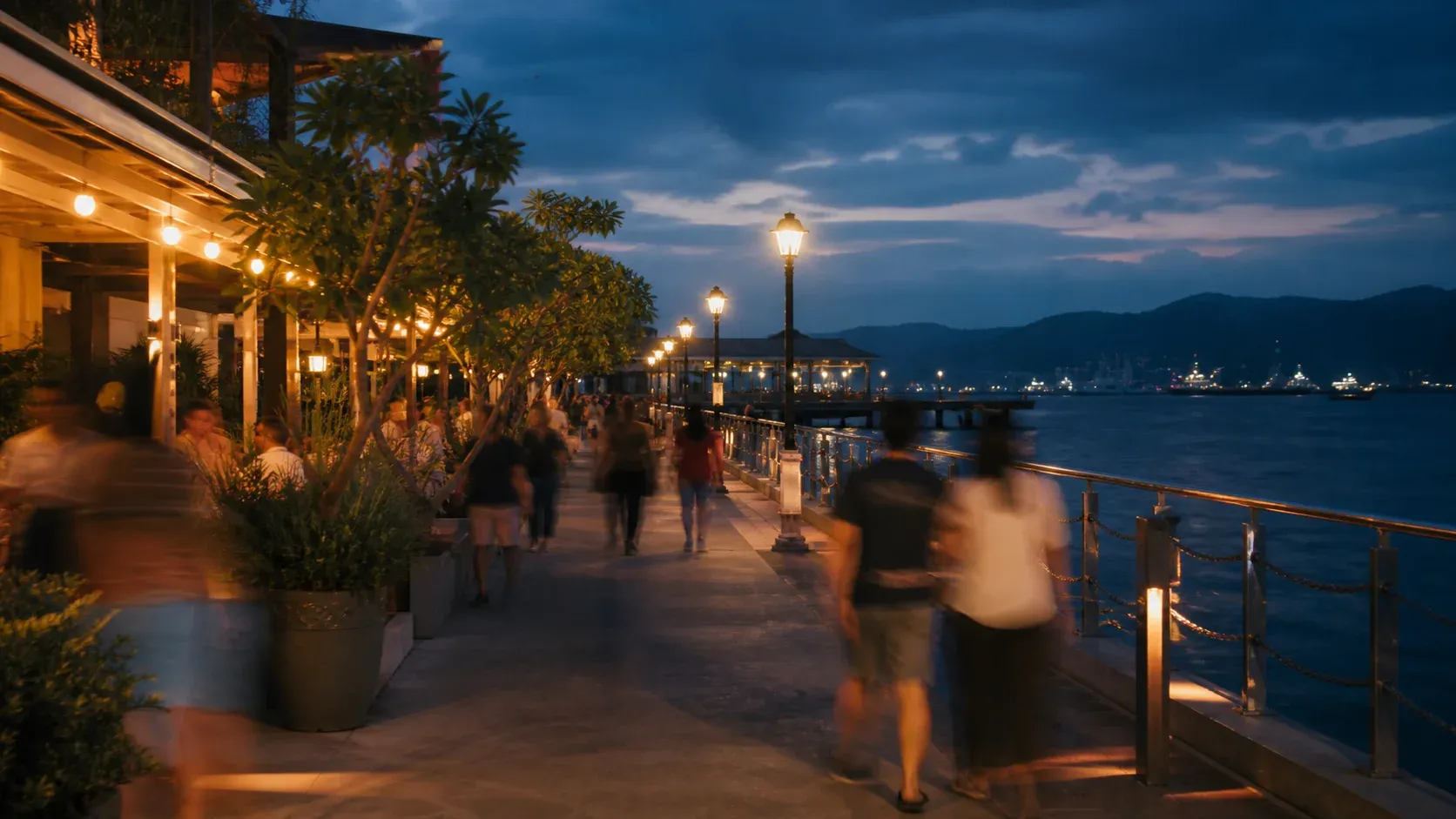
The Subic Bay Boardwalk on Waterfront Road is a free promenade open at all hours, and it is the easiest place in the Freeport to simply walk. Several monuments line it, including the Hell Ship Memorial.
For a view, Tanawan sa Subic Bay is a marked viewpoint on the road between the CBD and Cubi, with no facilities. Camayan Point is the headland at the western end of Ilanin Forest, and Breakwater Subic Bay is a structure you can walk out on beside the Boardwalk. None of the three is a managed attraction, so bring water and expect to be on your own.
Where to eat and shop in Subic Bay?
Eating and shopping concentrate in the CBD, around Ayala Malls Harbor Point on Rizal Highway, along Argonaut Highway’s outlet strip, and in pockets on the Waterfront. Freeport status means duty-free retail exists here, and a few places suit a stop between activities.
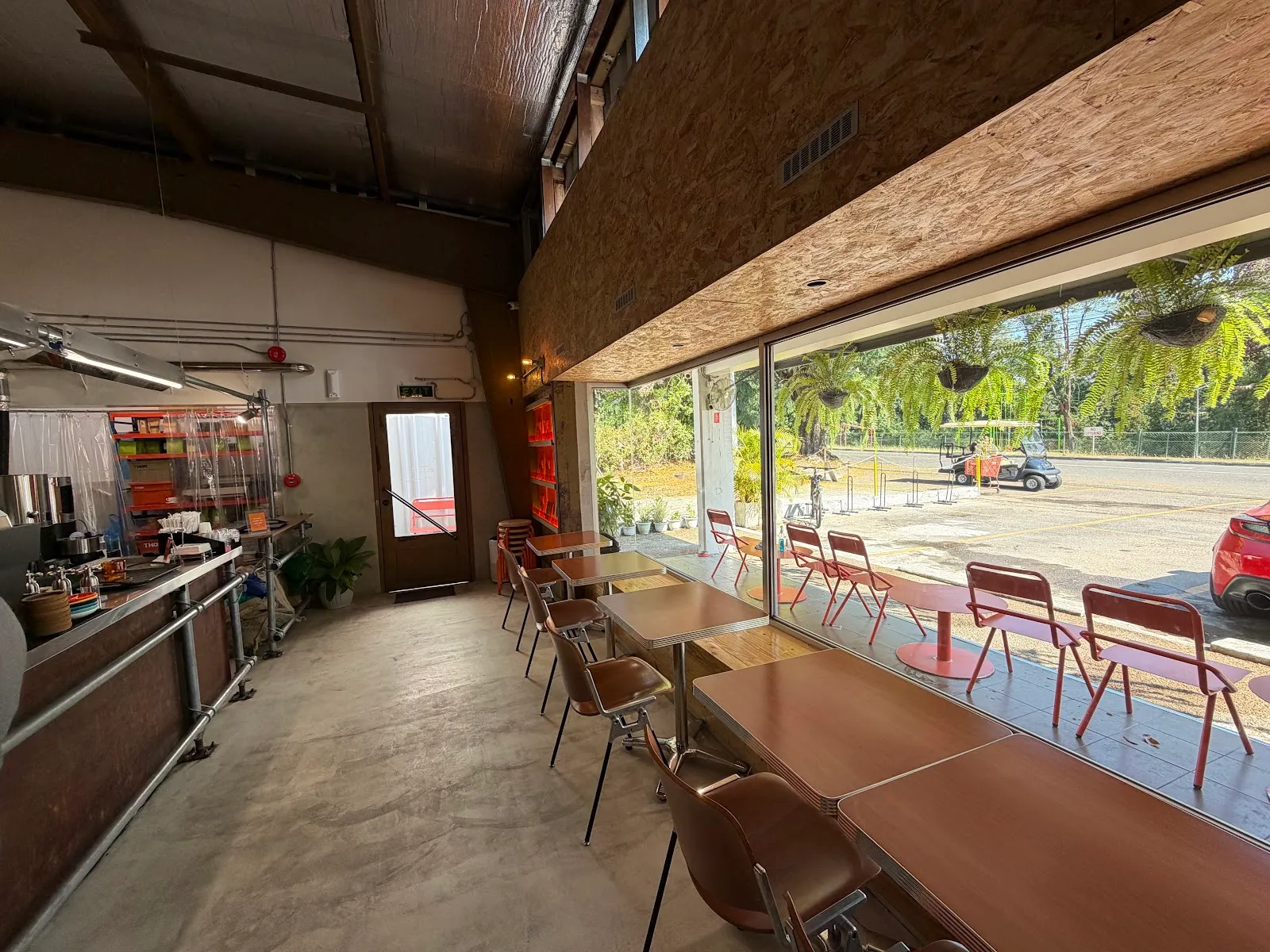
- Coffee. The Coffee Lab Subic Bay on Rizal Highway and High Peak Roastery on Binictican Drive both serve specialty coffee; cafés in Subic covers the rest by district.
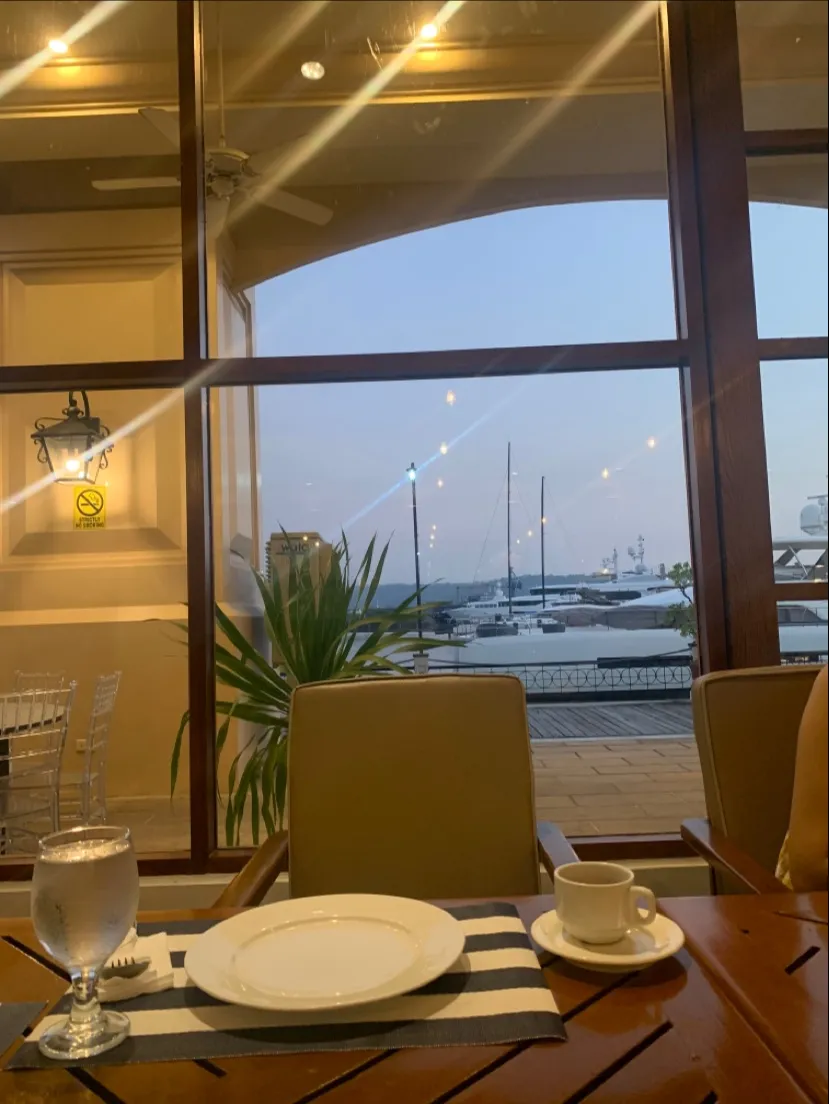
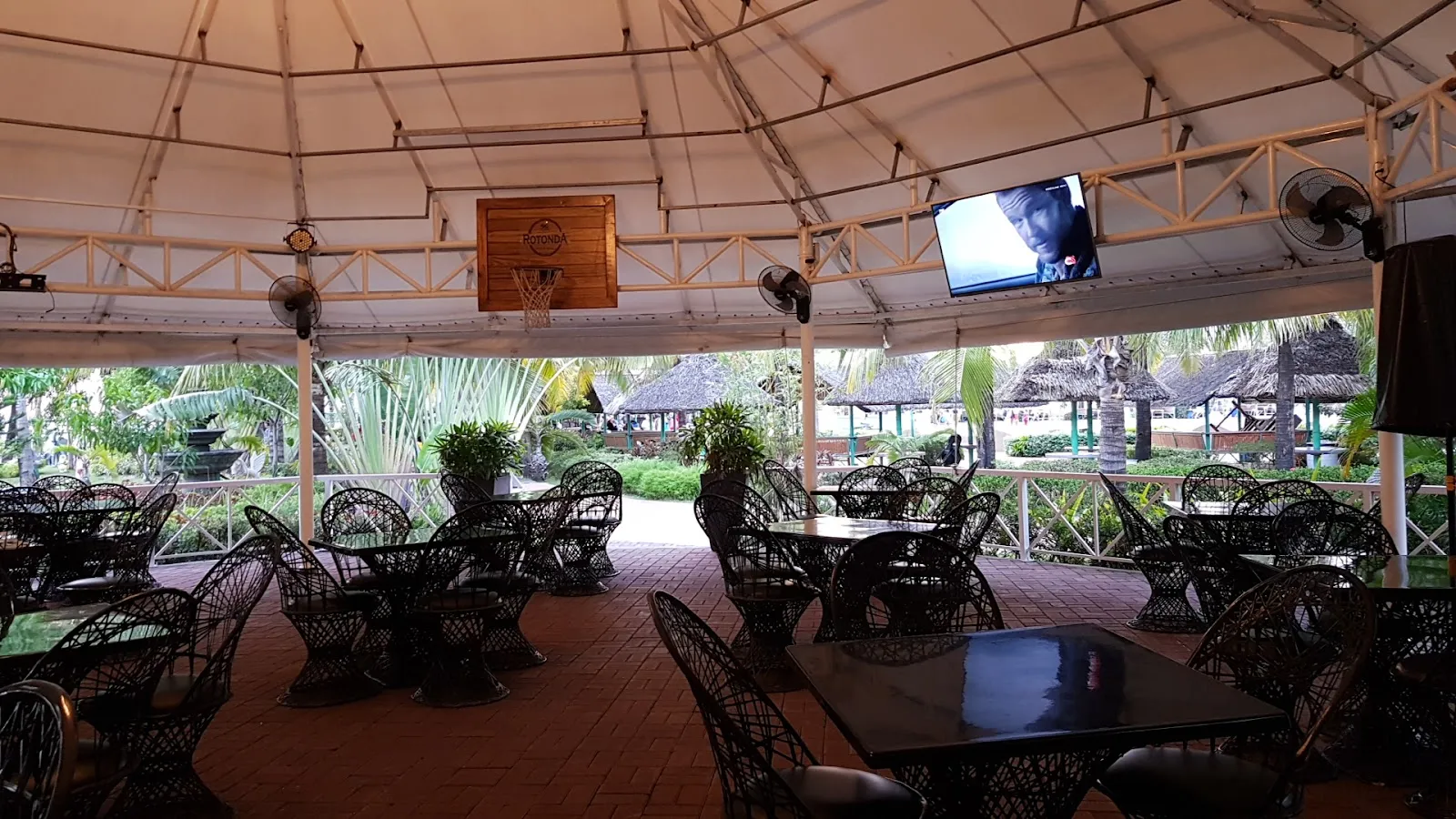
- Waterfront dining. Cambusa Bistro is the Subic Bay Yacht Club’s marina restaurant. Rotonda Food Park at Moonbay Marina is an open-air cluster of stalls and small bars, and Leonardo’s Pizzeria bakes wood-fired pizza inside it.
- By the water or forest. Ralis Grill is a French bistro at Malawaan Fishing Park, Dayrit’s Kitchen sits on the Cubi shoreline, and Forest Grill is the restaurant at Adventure Beach.
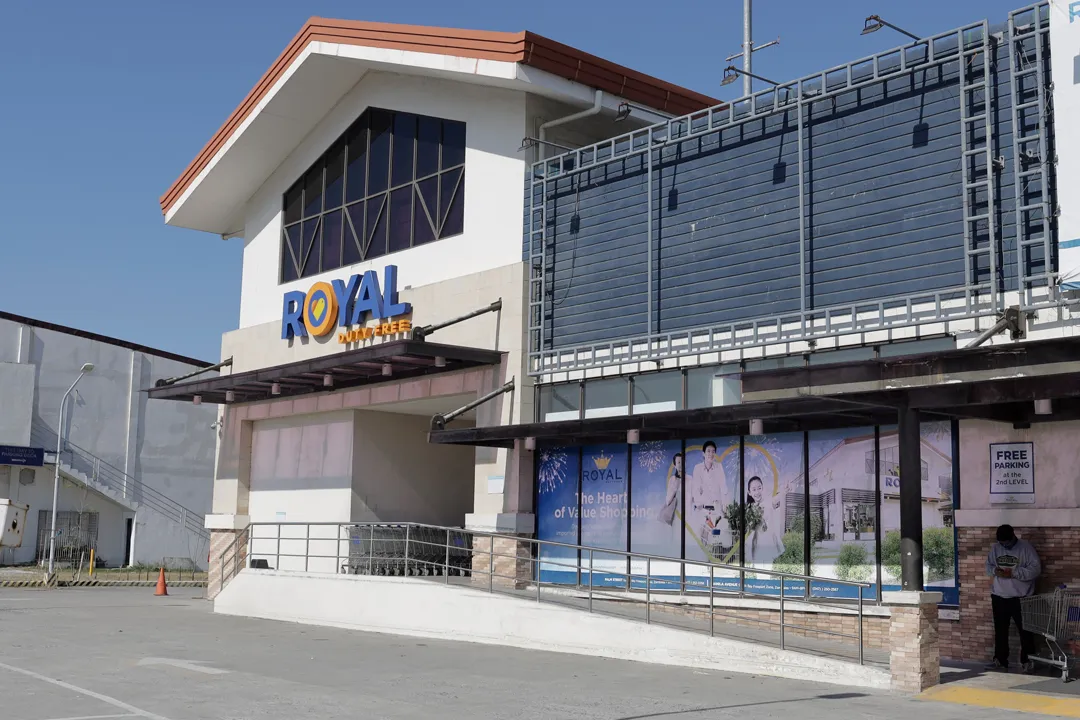
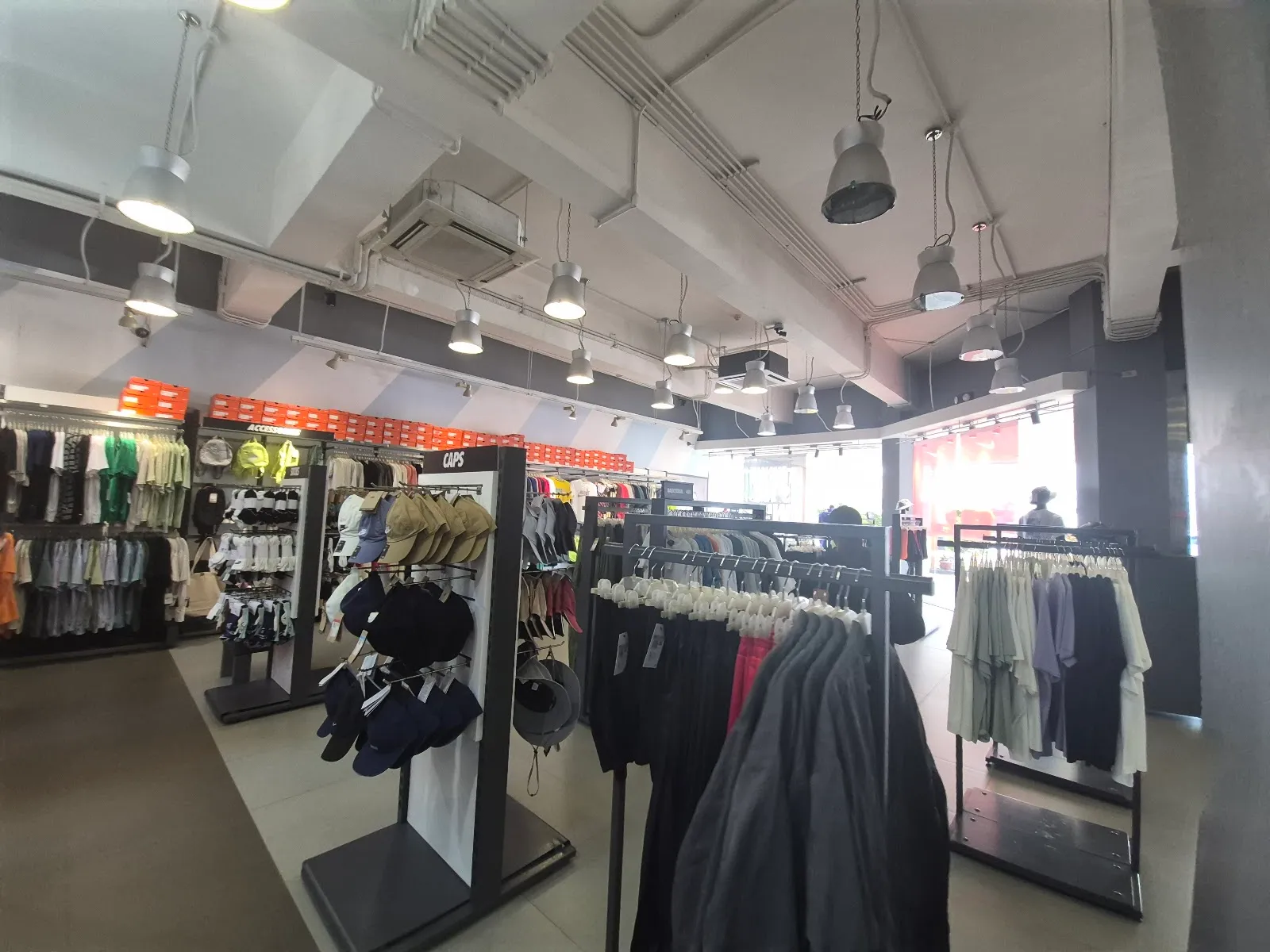
- Shopping. Royal Duty Free has two stores in the Freeport, and the Nike Factory Outlet is on Argonaut Highway. For the rules on duty-free purchases, read duty-free shopping in Subic.
When should you visit, and how do you get around?
The drier months, November to April, are the easiest time for most activities. Subic has a two-season climate: dry from November to April and wet from May to October. Research sources single out December to April as the most comfortable stretch.
Jeepneys and tricycles do not operate inside the Freeport. Olongapo’s jeepneys run up to the Main Gate but not through it. SBMA’s own page says buses from a terminal at the Main Gate serve points inside, with coasters and taxi vans as options. Current routes and fares were not confirmed, and the e-bus rollout was still a dry run in late 2025, so most visitors rely on a car, a taxi or a booked transfer. Gate procedures, speed limits, the plastic policy and the vaping rule are covered in the Freeport rules visitors get caught by.
To turn this into a plan, use the map to see how places cluster, or start from a guide: the ocean day, the heritage day and the rainy day guides each pick up different parts of this list.
Common questions
What are the main things to do in Subic Bay?
Subic Bay offers wreck diving and sailing, Aeta-guided forest trails and a mangrove boardwalk, two animal parks (Ocean Adventure and Zoobic Safari), heritage sites from the Spanish and American naval eras, and a waterfront promenade. The attractions are spread across several districts of the Freeport.
What are the things to do in Subic Bay with kids?
Ocean Adventure, Zoobic Safari and Adventure Beach Waterpark are the main family attractions, and Kidzoona at Ayala Malls Harbor Point suits small children on a wet day. Check each operator for current opening days, since our listing shows Adventure Beach open Friday to Sunday only as of August 2026.
What is SBMA, and is it the same as Subic Bay Freeport Zone?
SBMA is the Subic Bay Metropolitan Authority, the government body that runs the Subic Bay Freeport Zone. People often say “SBMA” to mean the Freeport itself, as in “restaurants in SBMA”.
Where are the best tourist spots in Subic for first-time visitors?
A first visit usually combines the Boardwalk and the heritage monuments on Waterfront Road with one big attraction, such as Ocean Adventure or Zoobic Safari, and a forest trail such as Pamulaklakin. The Waterfront and the CBD are the easiest base.
Can you get around Subic without a car?
Partly. Jeepneys and tricycles do not operate inside the Freeport, but SBMA says buses, coasters and taxi vans serve points inside from the Main Gate. Routes and fares were not confirmed, so ask your hotel or SBMA Tourism before relying on them.
When is the best time to go to Subic Bay?
November to April is the dry season and the most comfortable for most activities, with December to April the most settled. Holy Week is the busiest period, with 408,800 arrivals recorded in 2025, so book well ahead if you go then.
Sources
- SBMA Invest — Major Districts
- SBMA — Brief History (RA 7227)
- SBMA Visit — Getting There
- SBMA Tourism — About Subic Bay
- SBMA news — Subic Bay Freeport exceeds 400,000 Holy Week tourist arrivals, 29 Apr 2025
- Ocean Adventure
- Zoobic Safari
- Adventure Beach Waterpark
- JEST Camp
- El Kabayo Stables
- Wildlife in Need — About
- Wikipedia — Subic Bay Freeport Zone
- Wikipedia — Oryoku Maru
- ScubaTech Philippines — Subic Bay dive sites, blog, last modified April 2023
- Arizona Dive Shop Subic — wreck diving
- PhilippineDives — How to get to Subic Bay, July 2026, commercial directory
- Philippine Beach Guide — How to get to Subic, updated 22 Aug 2024, travel blog