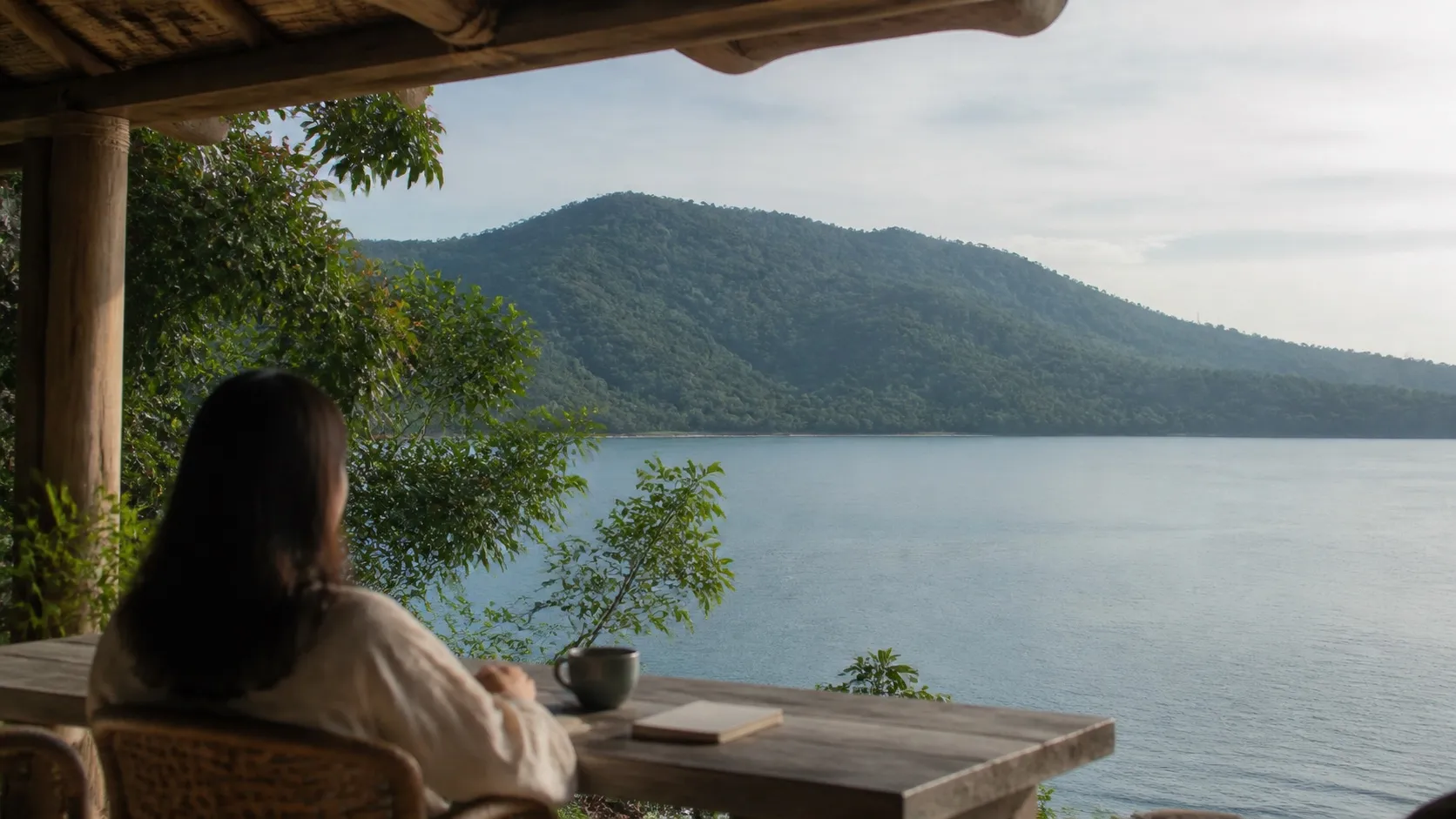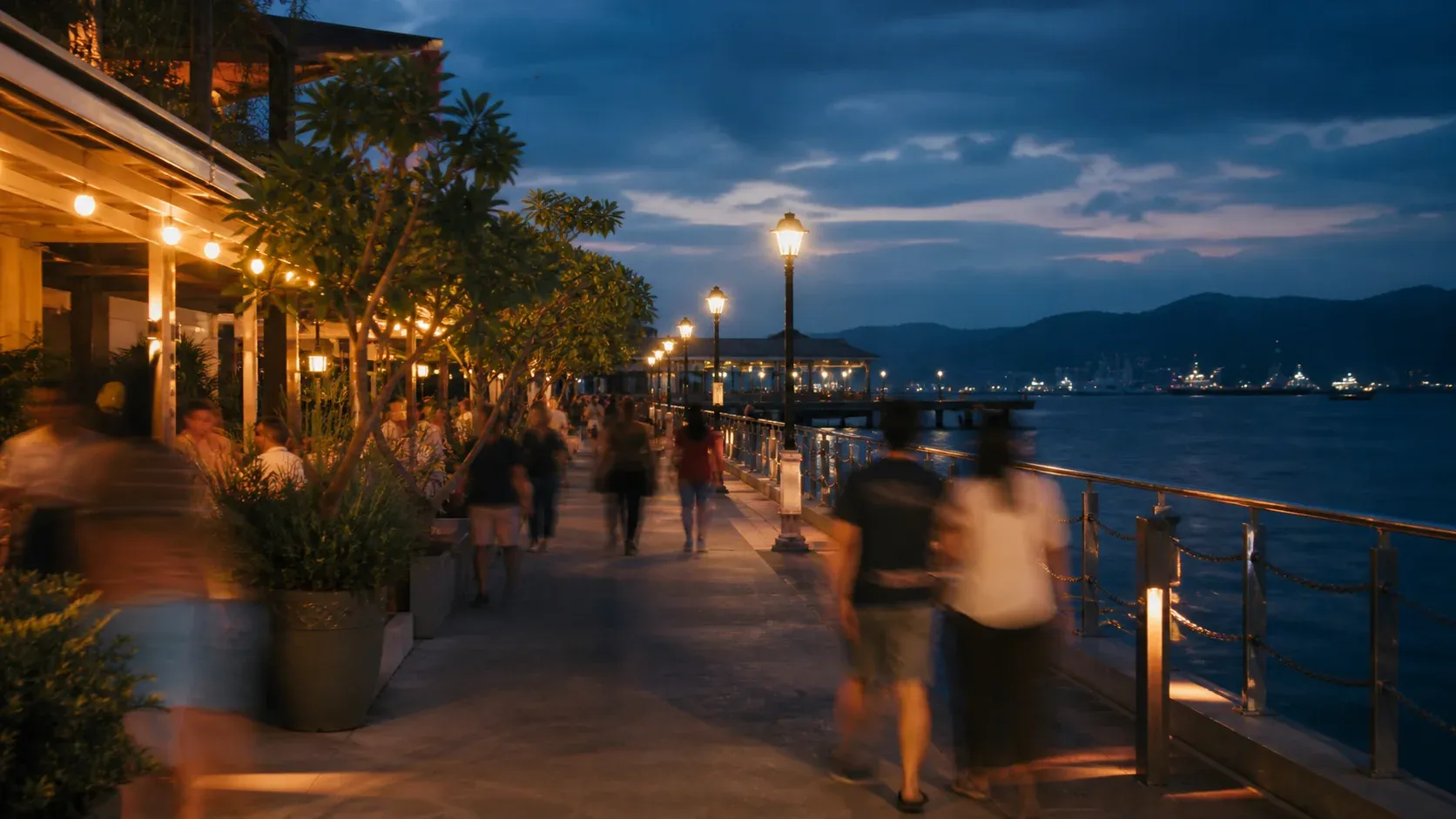
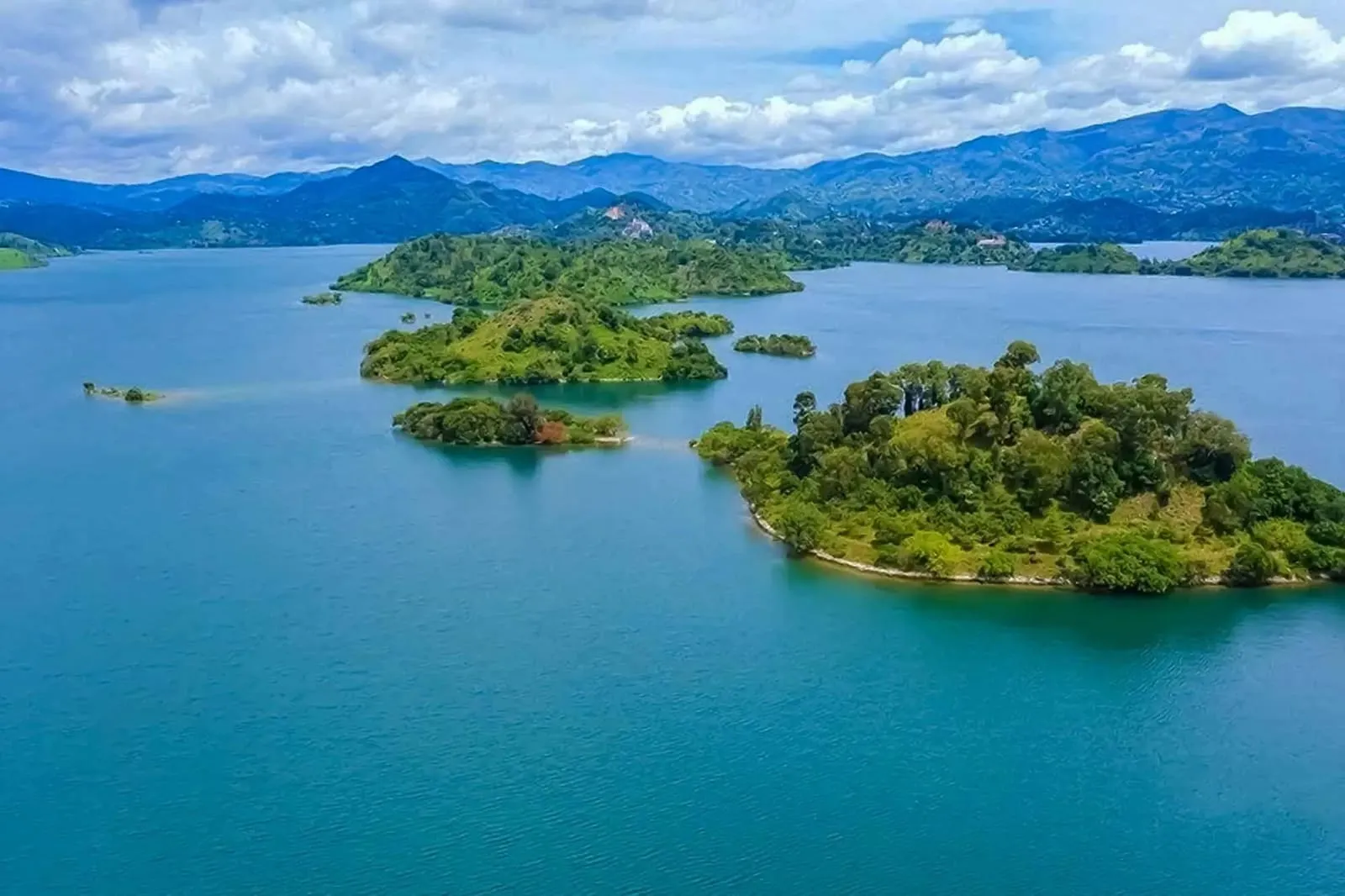
The most surprising thing about the Subic Bay Freeport is not the duty-free shopping or the container port. It is that you can stand inside an industrial special economic zone and be in lowland rainforest.
That is not a conservation success story so much as a side effect. Bases need watersheds, buffer zones and space nobody builds on, and for most of a century almost nobody was allowed in. The ecology survived because the fence was there.
How much forest, exactly
Three numbers circulate about Subic’s forest and they are not interchangeable, which is how the confusion starts.
- ~14,000 ha
- The fenced Freeport area — often misquoted as "the forest"
- ~10,000 ha
- The wider Subic Forest relict, running up Mount Natib into Bataan
- 6,261 ha
- The Subic Watershed Forest Reserve — the legally protected core
The honest formulation is roughly ten thousand hectares of surviving lowland rainforest inside a fourteen-thousand-hectare fenced zone. Anything calling the whole Freeport "forest" is quoting the wrong figure.
The reserve was established by Proclamation No. 926 in 1992 — the same year as the handover — to protect its water yield and restrain forest exploitation. Bataan Natural Park and the Subic Bay forest reserve are together recognised as a Key Biodiversity Area.
The bats
Subic’s signature wildlife is a colony of giant fruit bats roosting in the forest above the old base. Two species matter here: the Philippine giant fruit bat, Pteropus vampyrus lanensis, and the endangered, Philippine-endemic golden-crowned flying fox, Acerodon jubatus. They are among the largest bats in the world.
What is not in dispute is why they matter. As pollinators and seed dispersers they do a large share of the work that keeps the forest a forest, and they are the flagship species for the reserve.
Mangroves
At least six mangrove areas sit inside the Freeport. Cutting mangroves is banned nationally under Republic Act 7161, and SBMA has declared protected mangrove stands within the zone.
The most visited is the Triboa Bay mangrove park in the Ilanin Forest area, a reforestation project with a boardwalk through the trees. Most of what is written about it online dates from 2012 to 2015; replanting was reported as still active in 2023, but confirm current opening arrangements before driving out there.
The people who were here first
Portions of the Freeport are formally recognised ancestral domain of the Aeta, who were living in these forests long before the base. SBMA’s district schedule records 4,555.93 hectares of Certificate of Ancestral Domain Title land containing Aeta settlements, and the largest community in the zone is at Pastolan.
Their connection to the base is direct rather than incidental. Aeta tribesmen were the original instructors at the Jungle Environment Survival Training camp, established in the 1960s as the US military’s main jungle-survival school, teaching American personnel to build shelter, find and cook forest food and stay alive with almost no equipment. After the base closed, the camp reinvented itself for visitors with the same instructors demonstrating the same skills — including cooking an entire meal using bamboo for pot, kindling and utensils.
What this means for a visit
The practical upshot is that Subic offers something most Philippine beach destinations cannot: forest and water in the same afternoon, with a road between them. You can dive a wreck in the morning and walk under closed canopy after lunch.
It also means the usual rules apply more than they might elsewhere. This is a working watershed and a protected reserve, and the wildlife is genuinely under pressure — the falling bat numbers are attributed to human disturbance. Go with a guide where guides are offered, and keep your distance from the roosts.
Common questions
Can you see the flying foxes in Subic Bay?
Yes — the colony roosts in the forest inside the Freeport and there are established viewing spots, best at dusk when the bats leave to feed. Go with a guide where one is offered and keep well back from the roost trees; the declining population is attributed to human disturbance.
How much rainforest is inside the Subic Bay Freeport?
Roughly 10,000 hectares of surviving lowland rainforest sit within a fenced zone of about 14,000 hectares. The legally protected core, the Subic Watershed Forest Reserve, is around 6,261 hectares and was established by Proclamation No. 926 in 1992.
Why is there rainforest inside an economic zone?
Because it was a military base. The US Navy needed a watershed and a buffer zone, so the forest was never cleared and public access was restricted for most of a century. The conversion to a freeport in 1992 inherited the forest along with the buildings.
Who are the Aeta of Subic Bay?
An indigenous people living in these forests long before the naval base, holding recognised ancestral domain title over 4,555.93 hectares inside the zone, with the largest community at Pastolan. Aeta instructors taught jungle survival to US personnel at the JEST camp and now run the guided forest programmes.
Sources
Every factual claim above traces to one of these. Where sources disagree — or where we could not confirm something — the piece says so rather than choosing the tidier version.
- Proclamation No. 926 (1992) — Subic Watershed Forest Reserve (InforMEA record)
- Mildenstein et al., habitat selection of large flying-foxes, Biological Conservation (2005)
- Key Biodiversity Areas — Bataan Natural Park and Subic Bay forest reserve
- SBMA Invest — Major Districts (CADT land)
- DENR FASPS eLibrary — CADT of the Aytas of Bataan
- Wikipedia — Subic Forest